As the global geopolitical landscape becomes increasingly complex, with rising nationalism and a shift away from international cooperation, conserving species is becoming more difficult. This is particularly true for plants, whose conservation often depends on cross-border collaboration but receives far less attention than that of charismatic animals.
It was in this context that the IUCN SSC Wild Tulip Specialist Group entered Tulipa anadroma into the Indianapolis Zoo’s Uproar Conservation Challenge. Modelled on the US “March Madness” tournament, the competition saw species go head-to-head through public voting rounds, with increasing funding awarded at each stage and a grand prize of $10,000 for the winner.
Endemic to Kyrgyzstan, T. anadroma is a little-known wild tulip. Co-chairs Ormon and Brett knew that advancing in the competition would require a truly global effort -especially given the persistent bias towards animal conservation in public engagement.
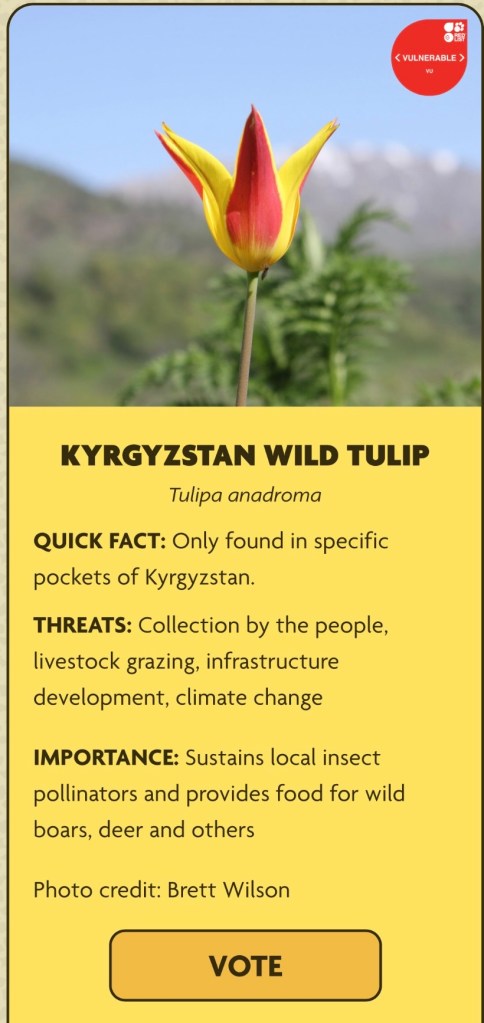
After a tense opening round—secured by a last-minute surge of support that saw the tulip narrowly defeat De Winton’s golden mole (Cryptochloris wintoni)—the stage was set for a remarkable underdog journey. T. anadroma went on to overcome a series of formidable contenders, including the Hawaiian endemic Ka Palupalu O Kanaloa (Kanaloa kahoolawensis), the Bozibe Baobab (Adansonia perrieri), and the White-Rumped Vulture (Gyps bengalensis), often by the slimmest of margins.
Although the tulip ultimately finished as runner-up to the Bolivian ornate tiger beetle (Pometon bolivianus), reaching the final secured $3,000 for its conservation. This funding will support practical, on-the-ground actions, including:
- installing signage to prevent plant collection in Sary-Chelek Biosphere Reserve
- training rangers to strengthen awareness of the species’ rarity and importance
- expanding ex situ collections
- funding expeditions to search for additional populations in remote mountain valleys
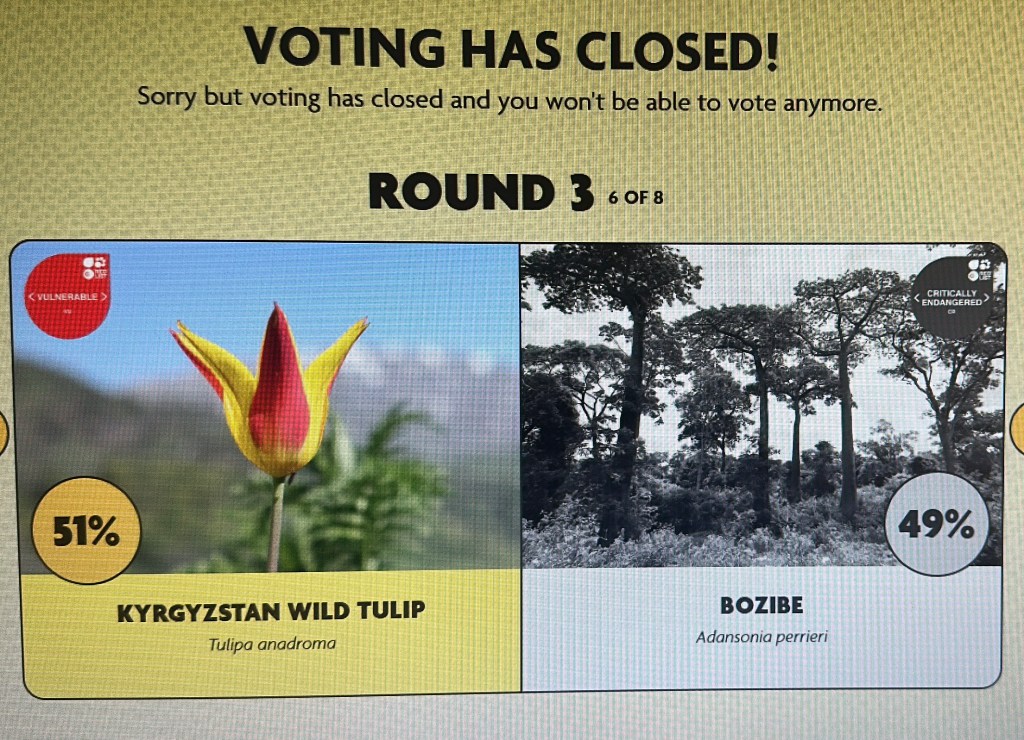
Beyond the financial support, the campaign significantly raised the profile of wild tulip conservation. Most importantly, it fostered a sense of global community bringing inspiration, encouragement, and unexpected connections to all involved. In fact, the success of Tulipa anadroma in the Uproar Challenge was, above all, a story of community. Votes came in as far afield as New Zealand, the UK, and the US for the Kyrgyz wild tulip, while a strong contingent of Central Asian interest underpinned the amazing run of this species to the final. In this blog, we reflect on the stories of support that made this journey so meaningful and that continue to bring hope in these difficult times.
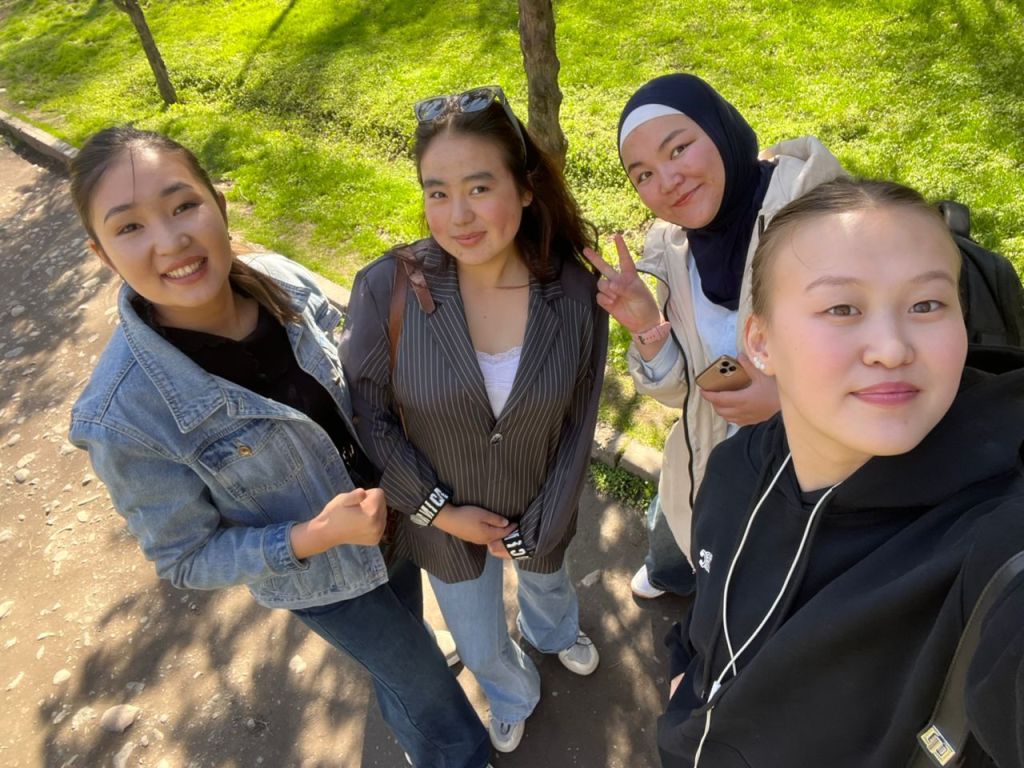
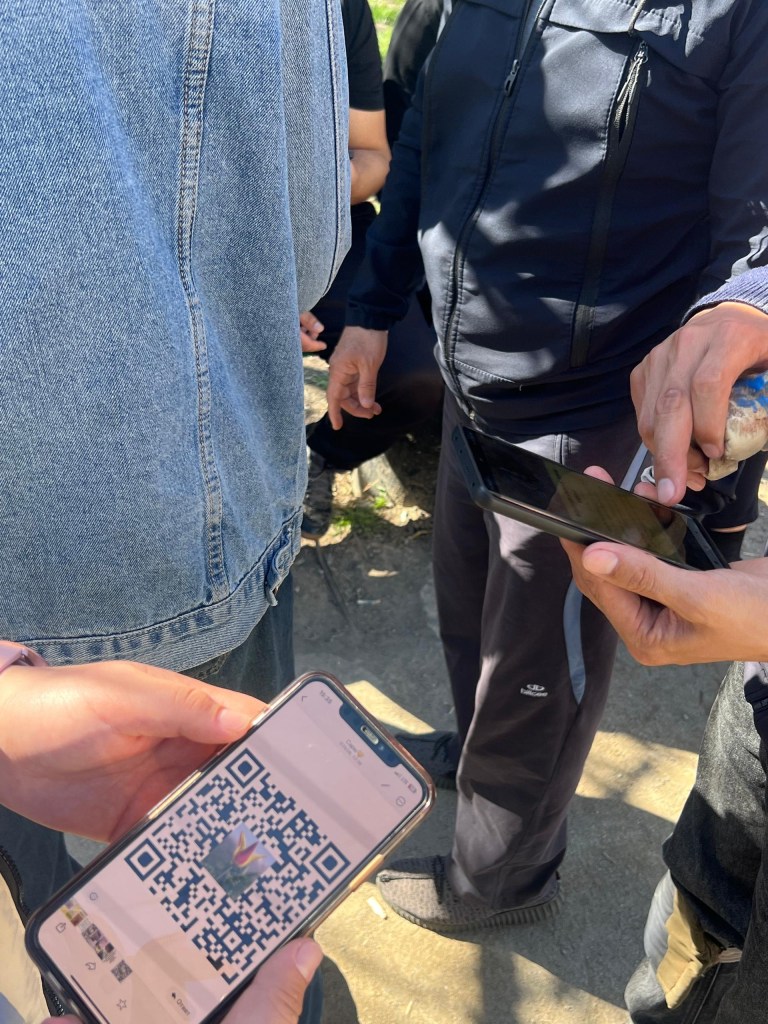
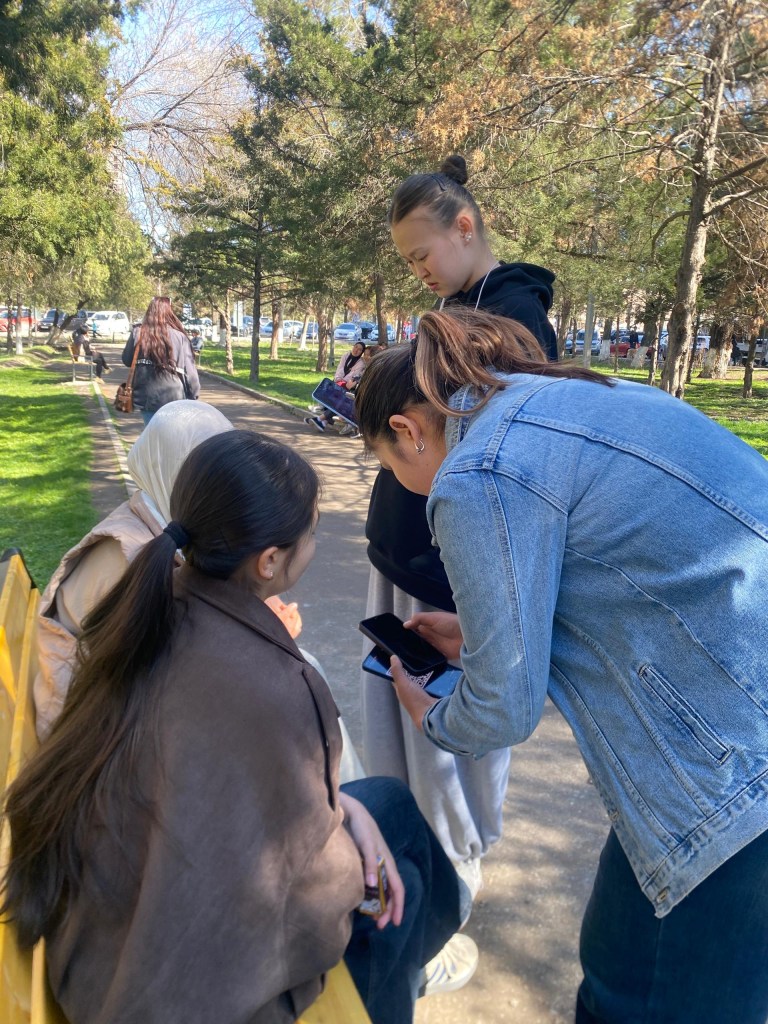
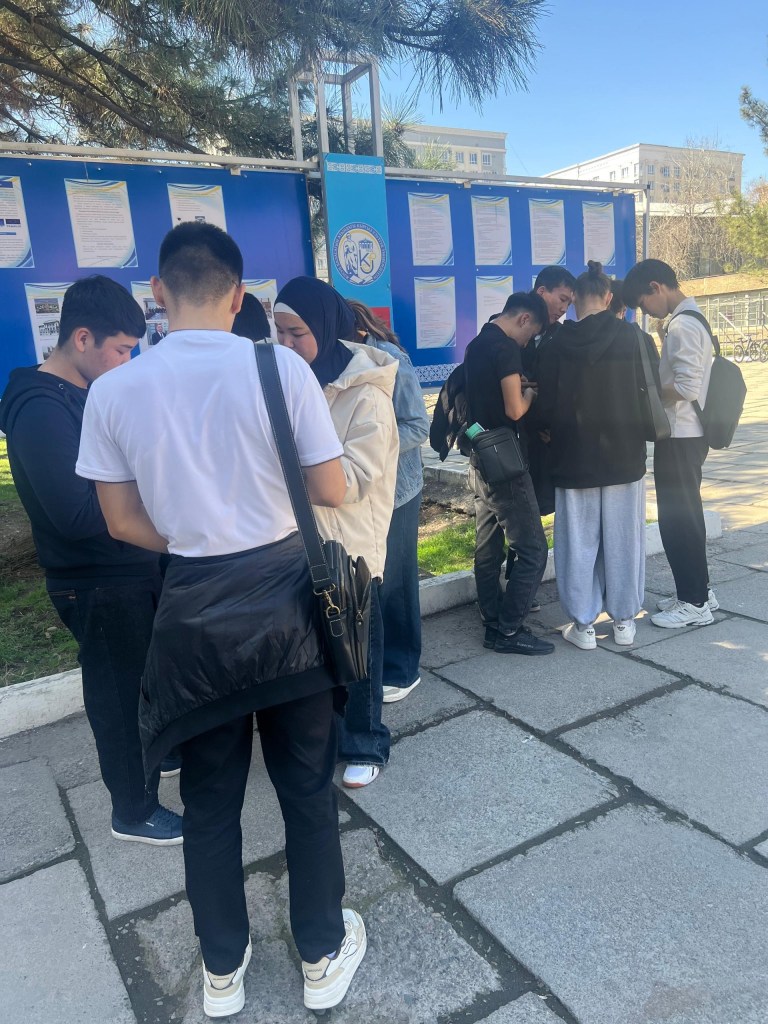
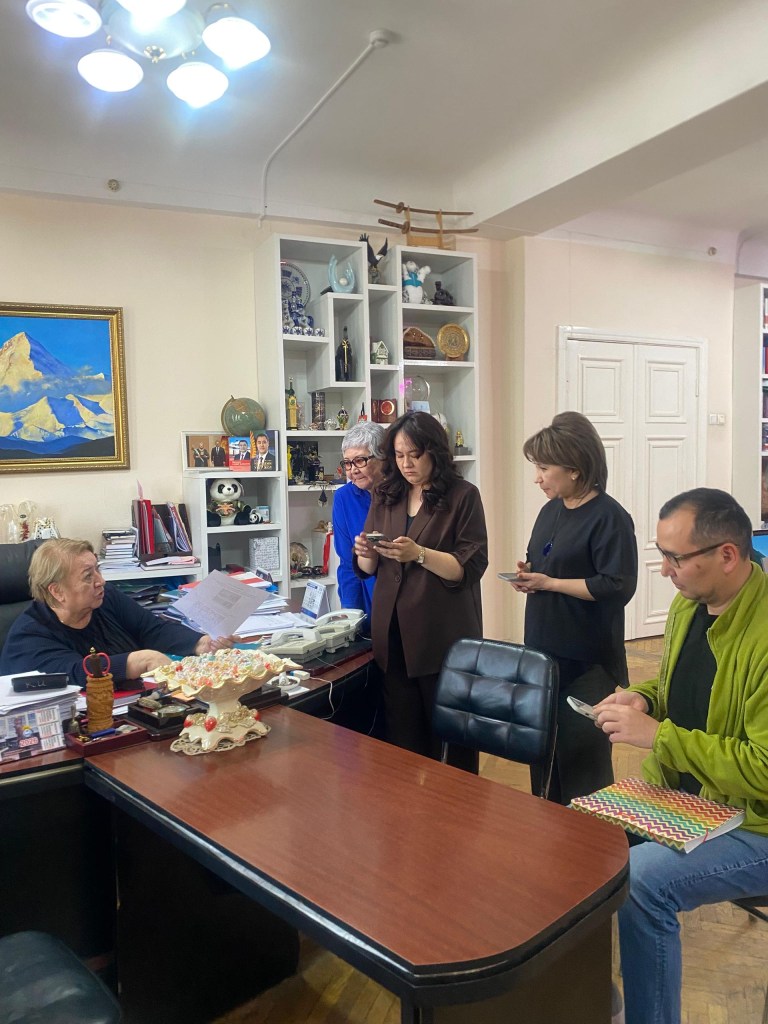
In Kyrgyzstan, the dedication and hard work of a small team of just four volunteers, spearheaded by Ormon, played a central role in advancing our campaign through each stage. During particularly challenging periods, when we were at risk of falling behind, they intensified their efforts by engaging university students and expanding outreach activities including campaigning on the streets of Bishkek, going on local radio, and publishing an article in the local news agencies. This grassroots mobilization proved to be highly effective and greatly raised the profile of this species and our wild tulip work at the national level. Importantly, these efforts would not have been possible without the strong support of university leadership. Their encouragement not only empowered the team but also facilitated the dissemination of information through official university channels, allowing us to reach a much wider student audience. As a result, students became a driving force behind our success, contributing significantly at every stage of the competition highlighting the important role young environmentalists have to play in protecting our planet. As momentum grew, these messages were picked up by bloggers and influencers and their involvement significantly increased visibility and helped propel us into the final four. This array of different sectors of society uniting behind the cause gives us great hope for pushing forward work in Kyrgyzstan and the broader Central Asia region.
We often underestimate the power of personal connections in our everyday lives. However, in times of need, we come to rely on these networks. This was certainly the case during the competition. Our extended network of conservationists wholeheartedly got behind this initiative. Graduates and friends from the Masters in Conservation Leadership course at the University of Cambridge came through in a big way providing incredible support extending to many corners of the globe. In addition, colleagues across the Cambridge Conservation Initiative (CCI), including many from UNEP-WCMC, BirdLife, and Fauna & Flora, rallied behind the campaign with remarkable enthusiasm. What began as a simple request for votes quickly became a shared cause, with teams amplifying messages, circulating links, and building momentum across networks. This collective effort from colleagues and peers demonstrated the power of collaboration that underpins so much of conservation work: when people unite behind a common goal, even a little-known plant species from an often-overlooked region can compete on the global stage.
The plant conservation community also played a pivotal role. Organisations such as BGCI, Cambridge University Botanic Gardens, the RHS, and the Royal Botanic Gardens Kew provided invaluable support, helping to extend the reach of the campaign far beyond immediate networks. Moreover, from the very beginning through to the final stages of the competition, the strong support of members of the IUCN SSC Wild Tulip Specialist Group was invaluable. Their efforts to mobilize people in their respective countries through social media, peer-to-peer communication, and targeted outreach played a crucial role. Members mobilised quickly, drawing on their deep commitment to the genus and its conservation emphasising the power of this collaborative community for global efforts to protect wild tulips. This support was further strengthened by engagement from other plant-focused Specialist Groups, including the Orchid Specialist Group, creating a strong sense of solidarity across the plant conservation community and reinforcing the IUCN SSC’s critical role in supporting conservation efforts. In a field that often struggles for visibility, this collective backing was both powerful and deeply encouraging.
At the heart of the campaign was the unwavering support of family and friends. Parents, siblings, aunts, uncles, cousins and children formed a foundational voting base from the very beginning, not only voting consistently themselves but also encouraging others within their circles, creating a ripple effect that proved critical in the closest rounds. This included immediate family who reached out to influencers, colleagues, and friends while helping sustain morale during the most challenging moments, as well as more distant relatives who mobilized the Kyrgyz diaspora in countries around the world who were eager to participate in initiatives that connected them to their homeland; this campaign provided a meaningful opportunity to unite around a shared cause and increase pride in their home country. This strong foundation was amplified by friends both near and far—from Australia and the United States to those closer to home—who tirelessly voted, shared the campaign widely, and brought their own networks of friends and family into the effort. Many went above and beyond, and alongside this we received countless messages from people expressing how invested they had become—checking in after each round, celebrating wins, and sharing in the tension of narrow victories. Together, this support provided both the practical momentum needed to progress through the competition and a constant source of motivation, highlighting how conservation can connect people in meaningful and unexpected ways.

In a time when global cooperation can feel increasingly fragile, this journey has been a powerful reminder of what is still possible when people come together. We are deeply grateful to everyone who voted, shared, encouraged, and believed in Tulipa anadroma. Your support has not only secured tangible conservation outcomes on the ground but has also helped shine a light on the importance of plant conservation more broadly. While the competition may be over, the momentum it created will carry forward. The connections built, the awareness raised, and the collective energy behind this campaign give us real hope for the future. We look forward to keeping you all up to date with the exciting activities we have planned both because of the new funding as well as broader efforts to conserve wild tulips, so please stay tuned, 2026 is shaping up to be an exciting year for wild tulips and once again thank you from the bottom of our hearts for your kind support, you will never understand how much it meant to us.

 IUCN SSC Wild Tulip Specialist Group
Well done Ormon and Brett,
the Wild Tulip will stay in our hearts and we hope the funding will really help the work you all do. Small flowers with such importance to the world.
LikeLike