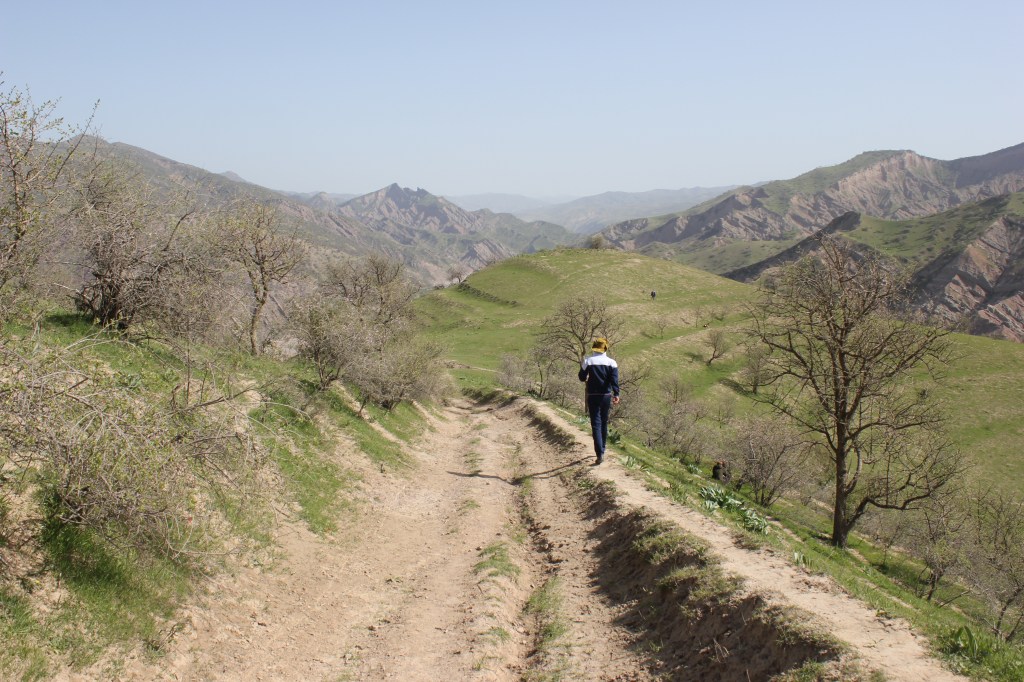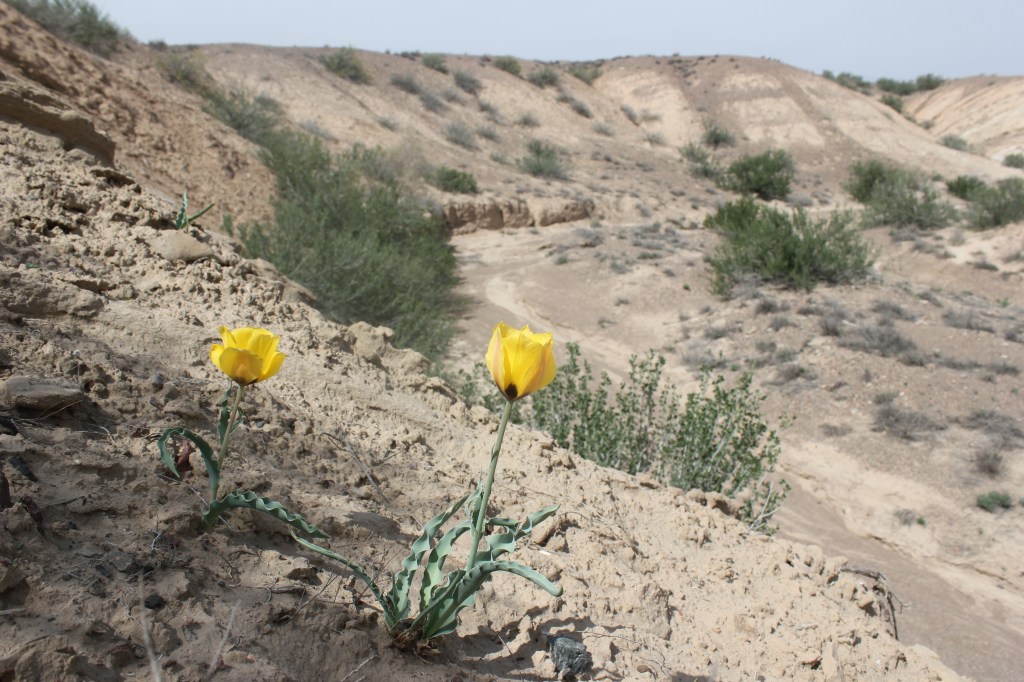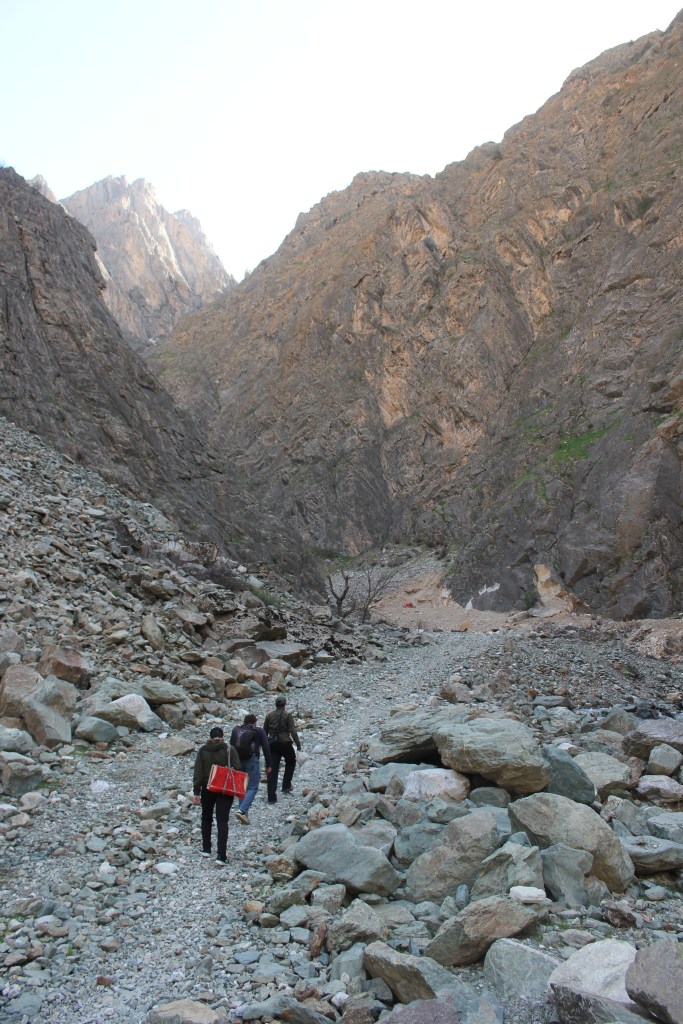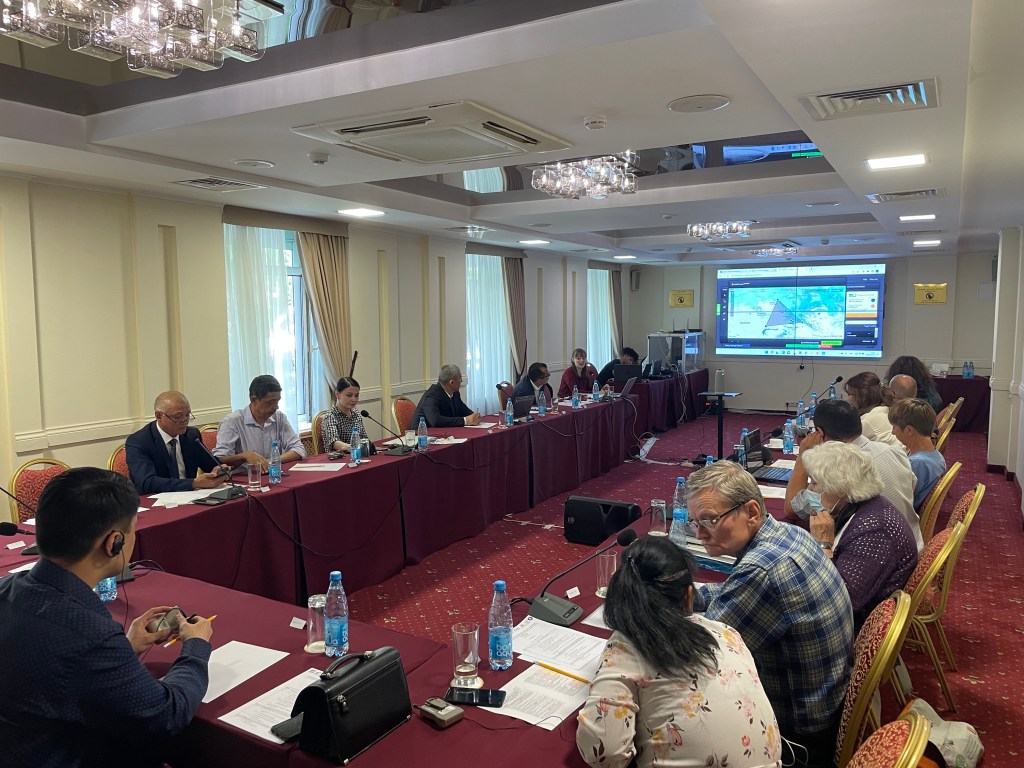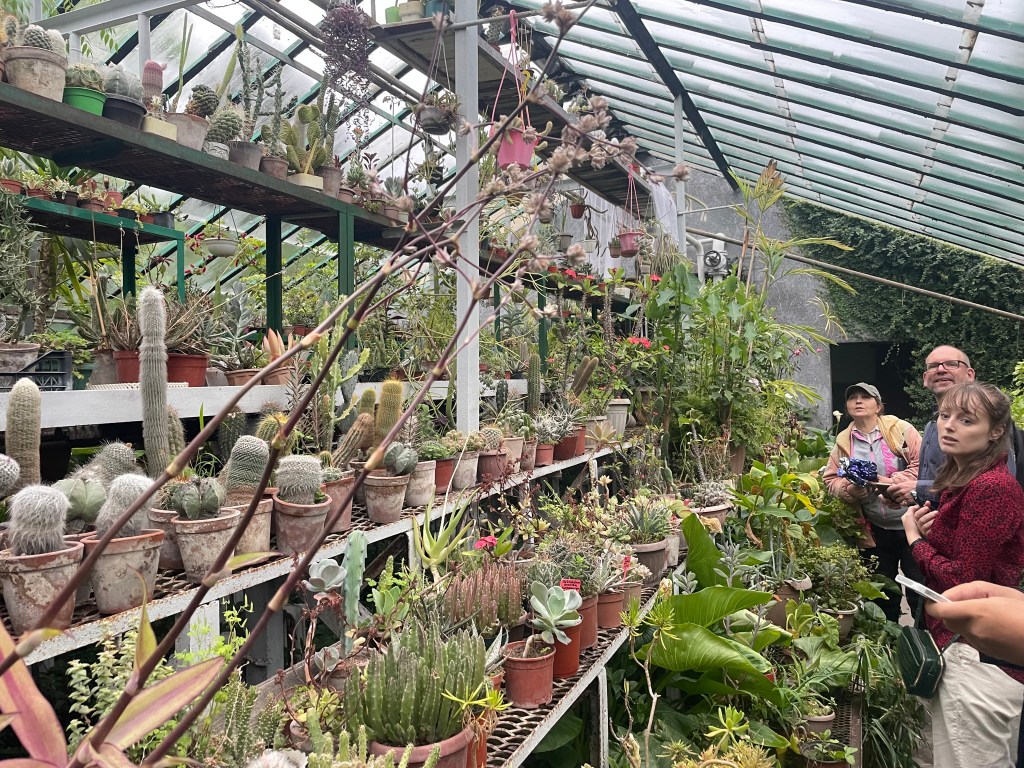
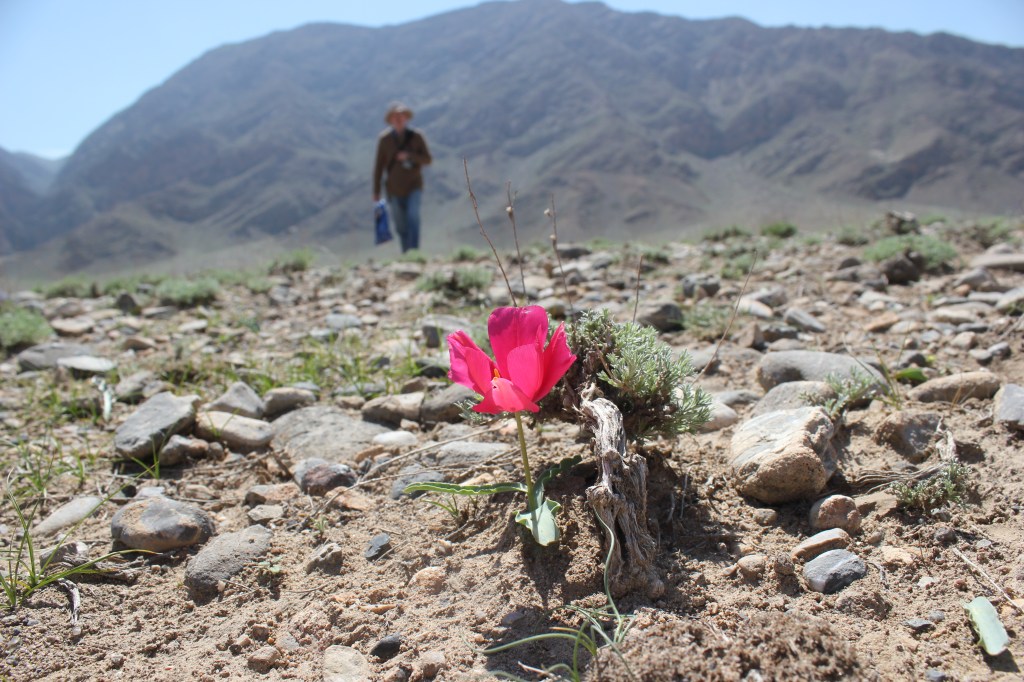
In October 2018, I started a PhD on tulip taxonomy and conservation at the University of Cambridge with a question that sounds simple and turns out to be anything but: what actually is a tulip species? Depending on whose classification you followed, there were anywhere between around 70 and 140 accepted species. Wild tulips are routinely misidentified in the wild, gardens, and herbaria, and taxonomic disagreements are not infrequent. I had absolutely no idea, that October, what I was signing up for. Eight years, hundreds of specimens and a great many mountain passes later, we have managed to resolve a number of historical issues and begun to unravel the evolutionary history of this flower — and this week, our major scientific paper is published detailing some of our findings.
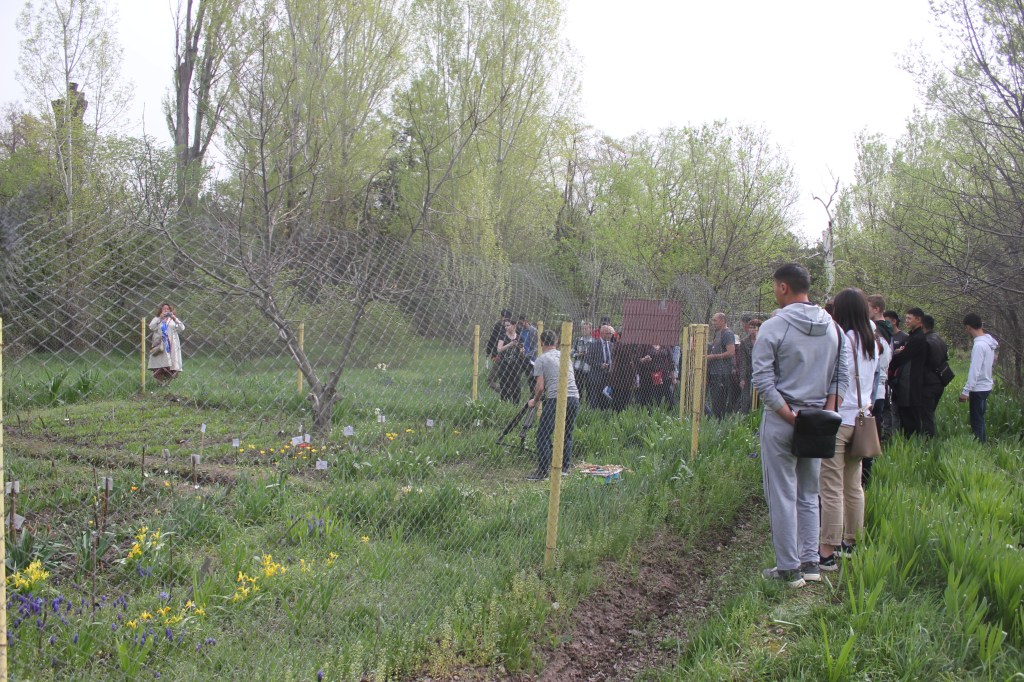
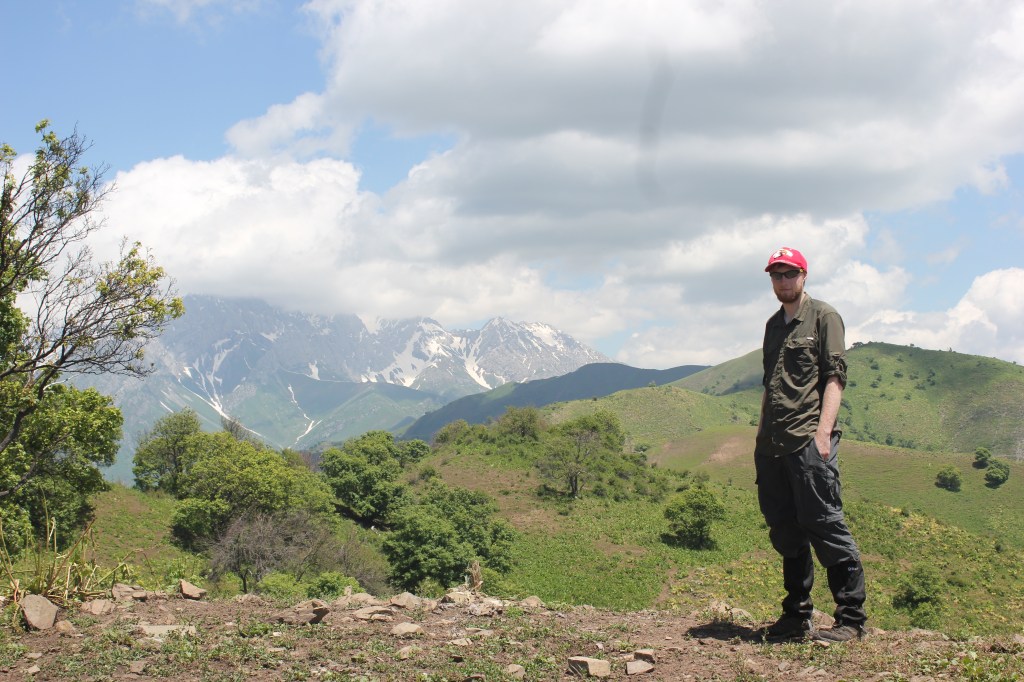
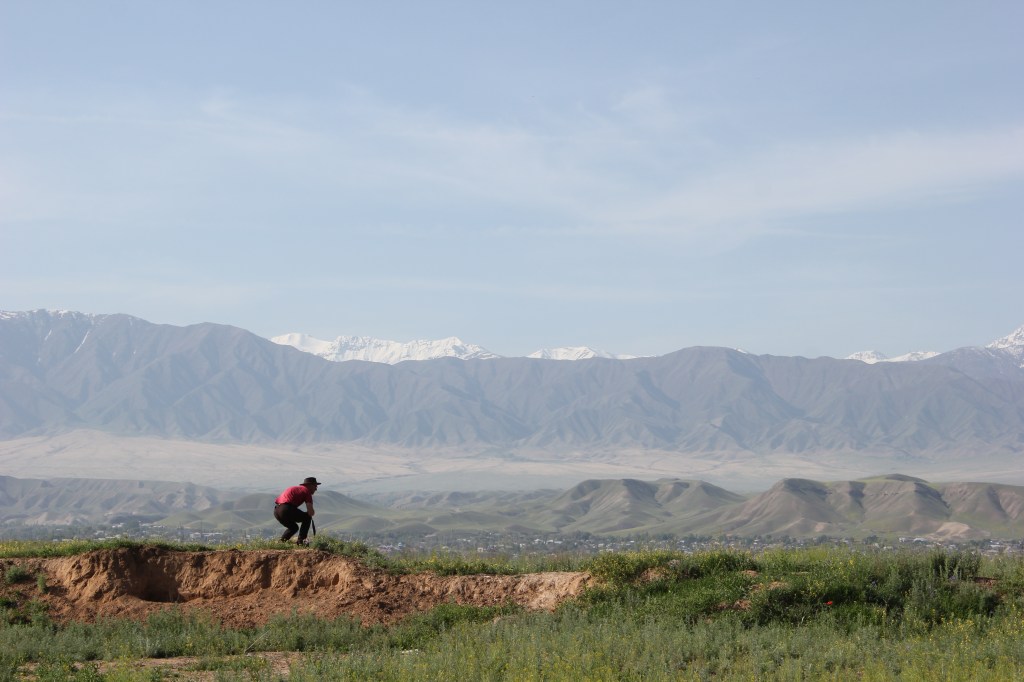
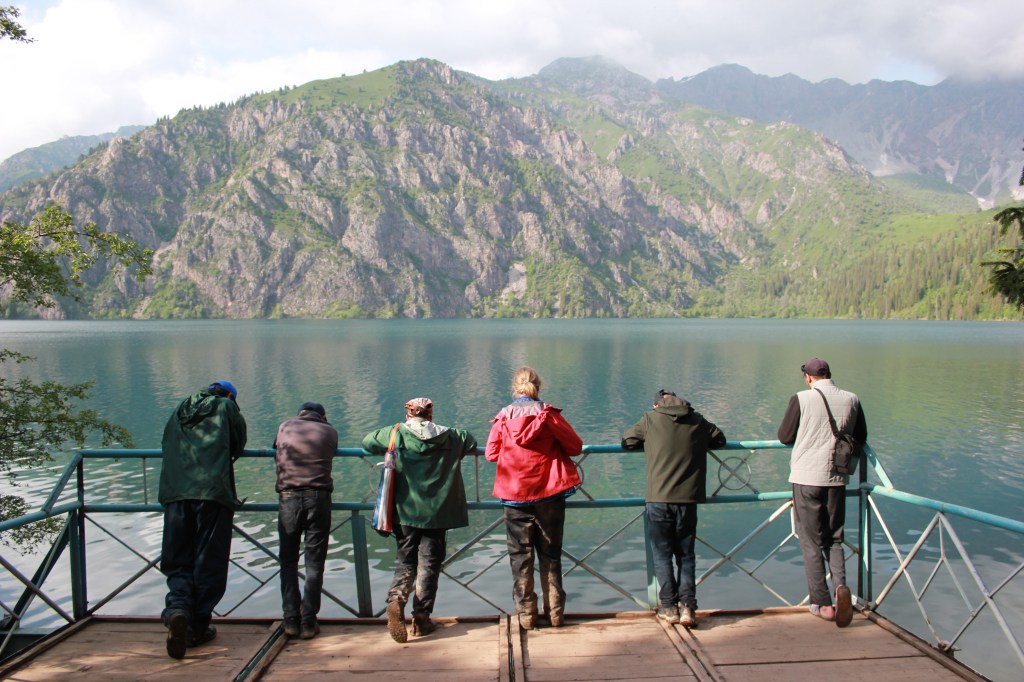
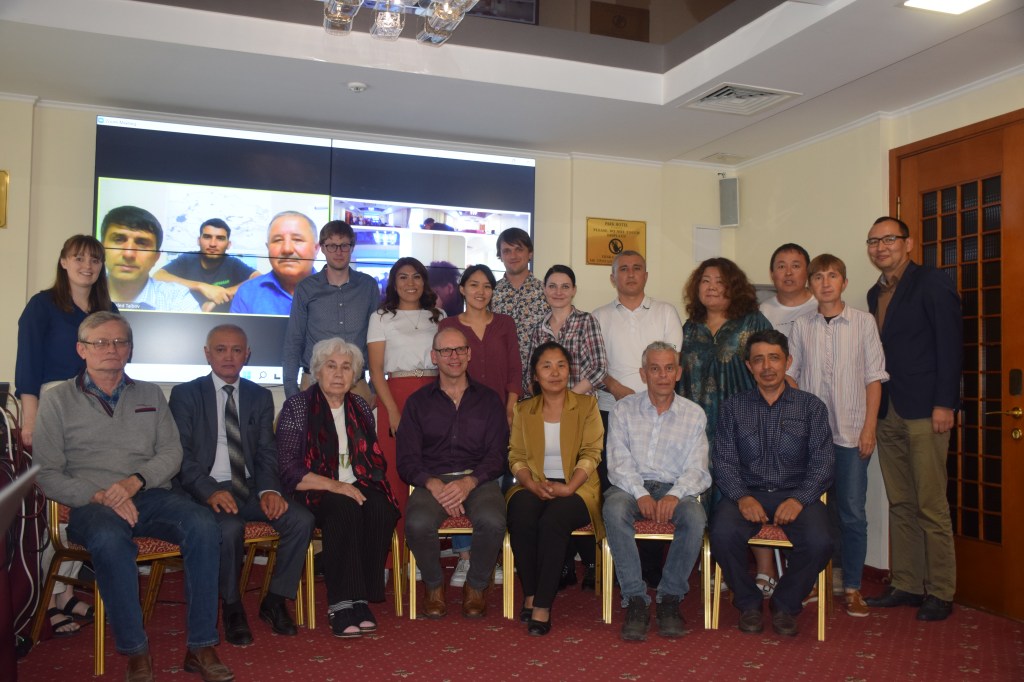
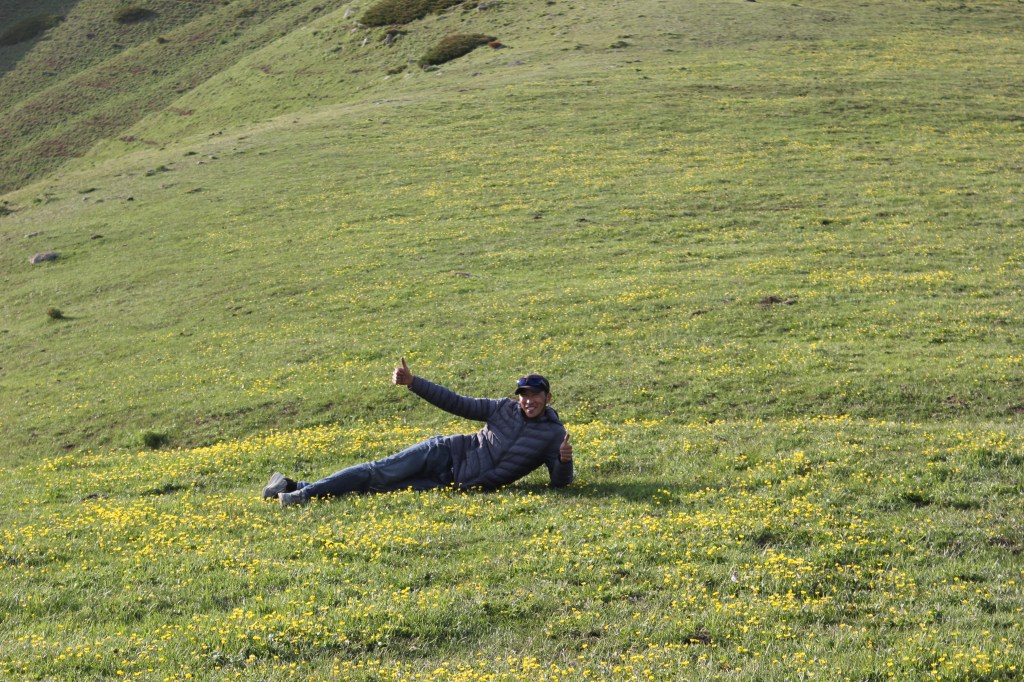
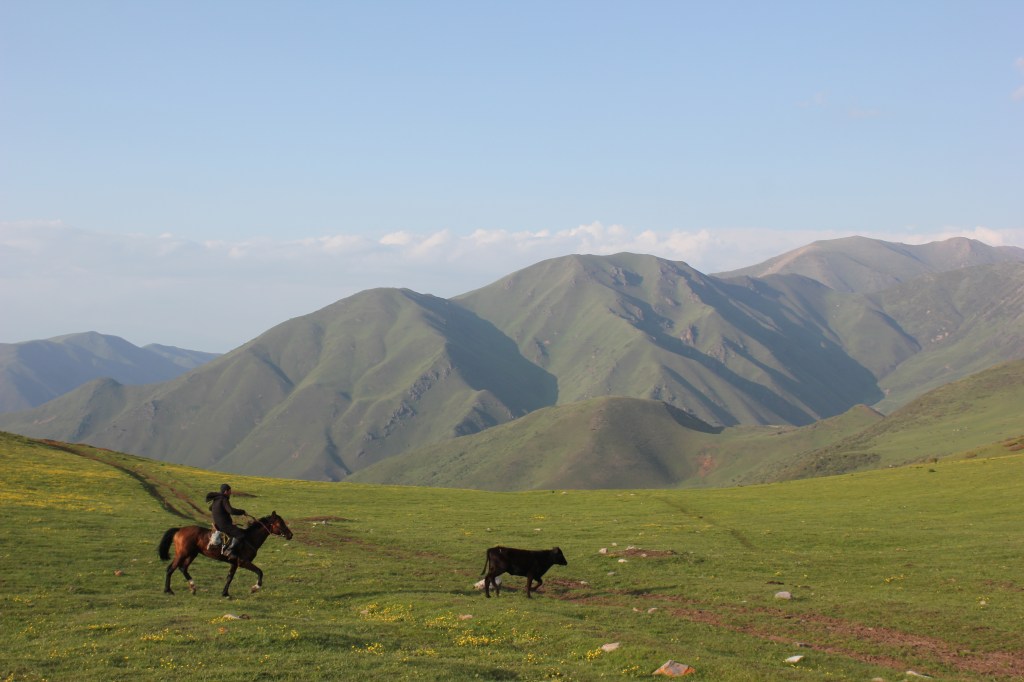
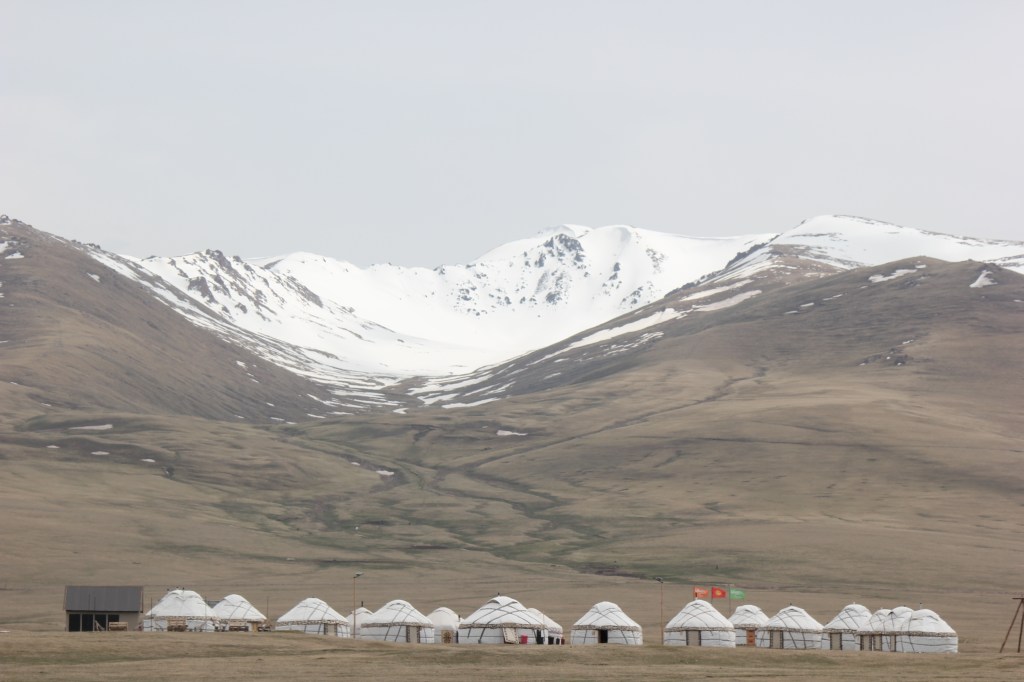
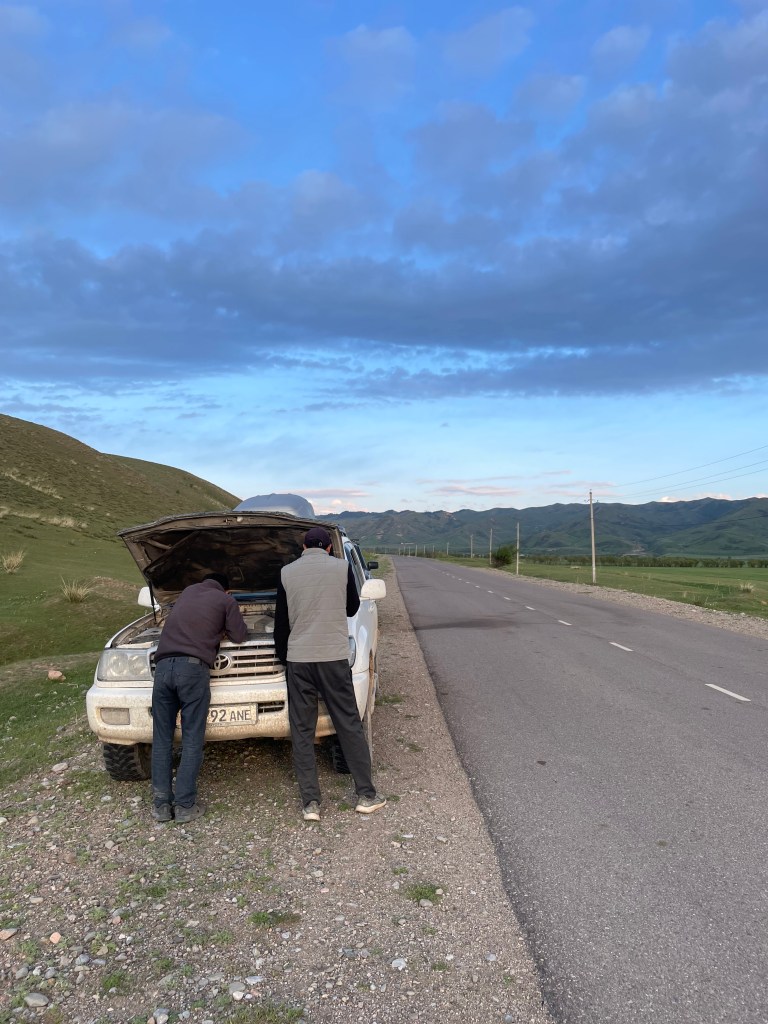
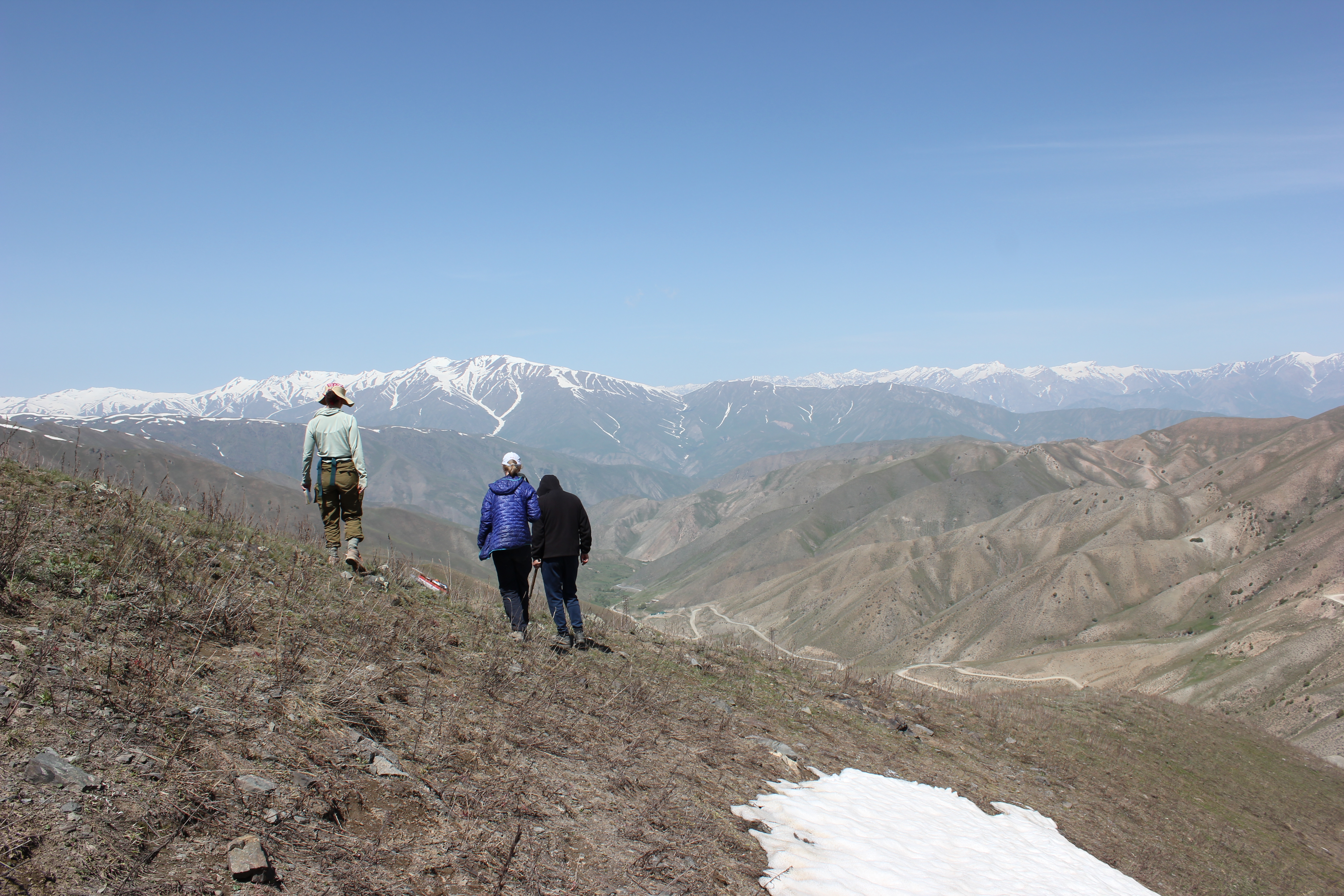
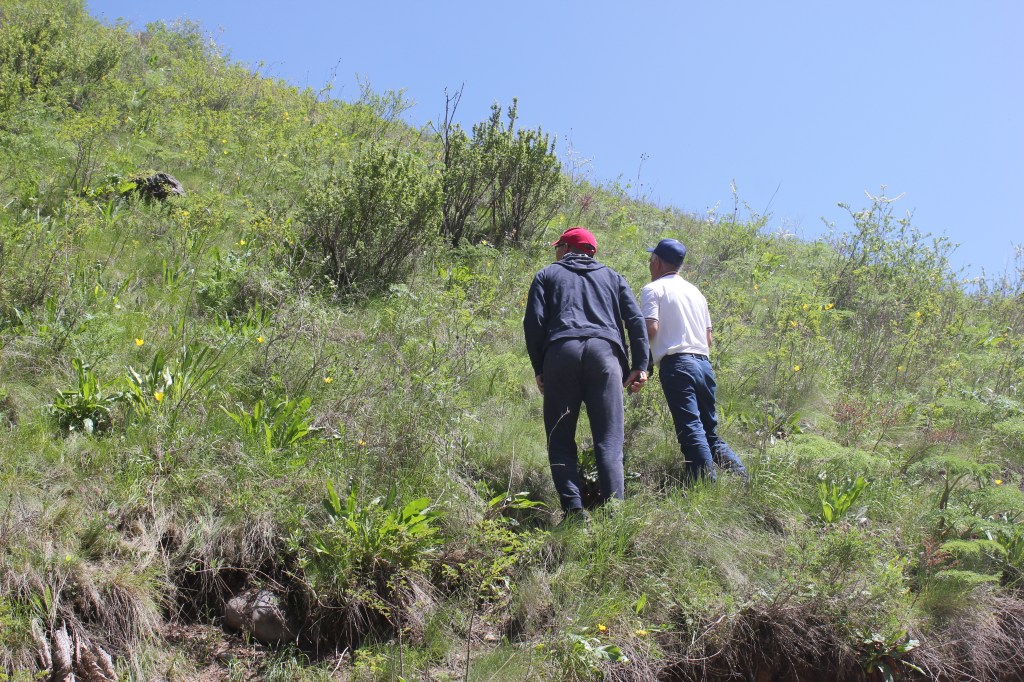
Our paper, Phylogenomic Insights into the genus Tulipa (Liliaceae): Taxonomy, evolution, and biogeography, uses plastid genome data (DNA) from 254 tulip specimens — around 86% of all known species, roughly double the coverage of any previous study — to build the most complete tulip family tree ever produced. It’s the culmination of a project that began not in a lab, but really on a Kyrgyz hillside in April 2019, on the first of many expeditions to collect material. Since then, the project grew steadily, eventually bringing together a team of collaborators from across Kyrgyzstan, Tajikistan, Uzbekistan, Kazakhstan, Kosovo and Türkiye, as well as many botanic gardens and herbaria across Eurasia.
The full author list, in order: Brett Wilson, Maarten J. M. Christenhusz, Nathanael Walker-Hale, Natalya Beshko, Mariyo Boboev, Colin Clubbe, Davron Dekhkonov, Aibek Dolotbakov, Mehmet Firat, Thomas Freeth, Sjaak de Groot, Avni Hajdari, Georgy A. Lazkov, Ormon Sultangaziev, Komiljon S. Tojibaev, Ben J. M. Zonneveld, Kaiyrkul T. Shalpykov and Samuel F. Brockington.
What Eight Years of Research Found
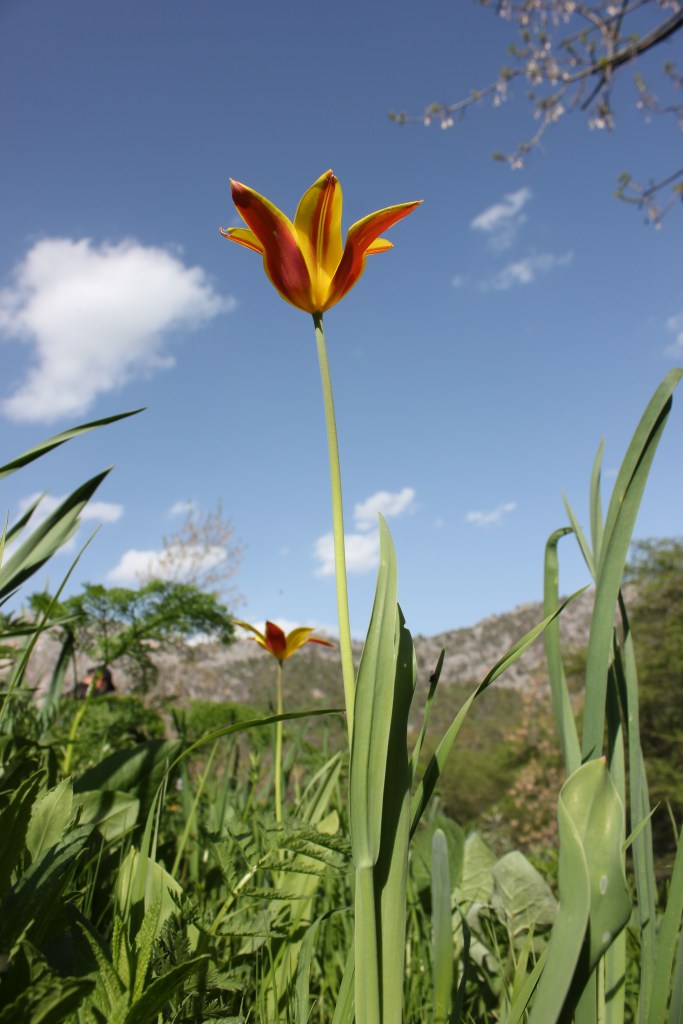
Tulips, it turns out, are Central Asian through and through. The ancestor of all living tulips arose in the broader Central Asia region around 32.5 million years ago, with tulips starting to diverge into different species around 22.8 million years ago. The Tien Shan and Pamir-Alay mountains were an important part of this story and remain, to this day, the richest tulip region on Earth. Interestingly, the majority of wild tulip species are remarkably young: 92% of the species we sampled split from their closest relative within just the last 5 million years, as mountains rose and the climate dried around them, breaking continuous forest into the isolated valleys where tulips diversified. So although the ancestor of all tulips likely existed tens of millions of years ago, most wild tulip diversity arose in the last few million years.
The tulip family tree also settles some long-running taxonomic arguments. We formally describe a new, fifth subgenus (a taxonomic grouping of similar species), Eduardoregelia, built around the strange, solitary, drooping-flowered T. heterophylla — genetic confirmation of what its odd morphology always suggested. Odder still, the two earliest branches on the whole tree, including Eduardoregelia, trace back to the eastern edge of the tulip range we know today — so although most wild tulips arose in the Central Asian mountains, these odd species reach out into western China and Mongolia as well.
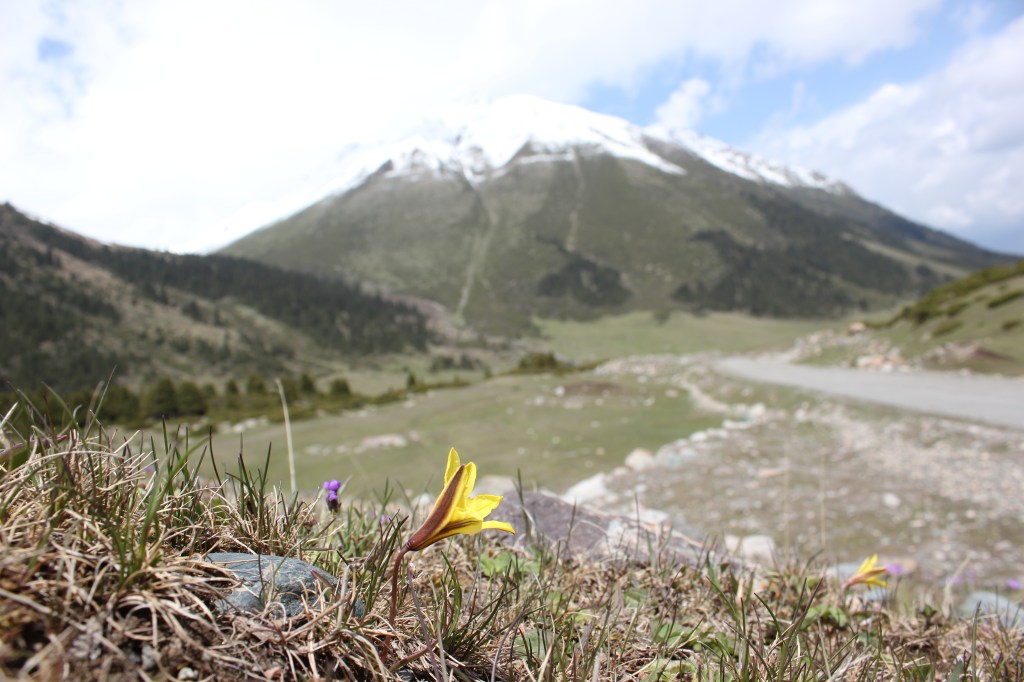
We also show that the historical “sections” (another taxonomic grouping of similar species) used to organise tulip species mostly don’t reflect real evolutionary relationships, and recommend they be abandoned in favour of the subgenera and informal groupings the DNA actually supports. And we untangle a dozen or so individual species-level puzzles: some names long treated as synonyms turn out to be genetically distinct and may need reinstating, while others we’d been treating as separate species collapse into one. One species, T. maximowiczii, sits so far out on its own branch that it may eventually deserve a grouping of its own — though that will need more sampling to confirm. And along the way, we also described a brand-new species, Tulipa toktogulica — a reminder that even a genus this famous still has surprises left in its wild mountain strongholds, which you can read more about in a previous blog post. Overall the tree tells a lot of quirky stories about species and relationships, and opens the door to plenty more to explore in future.
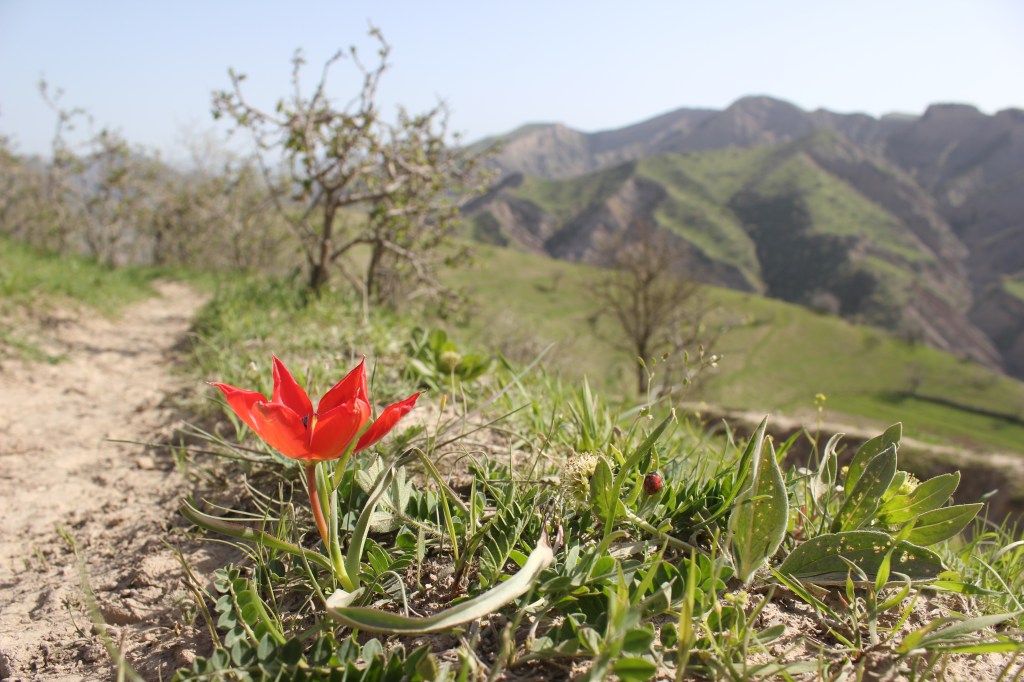
There’s a nice piece of horticultural history in there too: we trace the wild roots of the garden tulip to T. suaveolens and T. scardica, showing that T. suaveolens is likely a maternal ancestor of ‘Duc van Tol’, a cultivar still grown today that has been in the Netherlands since 1595. T. scardica points somewhere else again — to the Balkans and south-eastern Europe as an important source of early breeding material for Ottoman-era Turkish cultivation. And two species that sit close to garden material in our tree, T. hungarica and T. agenensis, add more potential horticultural ancestors to the mix. T. agenensis may have played a role in historic horticultural breeding, while T. hungarica looks less like a founding parent and more like an early cultivar gone wild: a naturalised ‘neotulip’. Which wild species built the first garden tulips is still partly open, but the candidate list is narrowing.
None of this is just academic. A stable, DNA-based classification is the foundation everything else in tulip conservation rests on — you cannot red-list, monitor or protect a species you can’t reliably identify. It matters horticulturally, too: wild tulips are a genetic reservoir for future breeding, and you can only safeguard the wild relatives that matter if you know which one is which. The work in this paper has already been used to Red List Central Asian tulips, and it makes the case — we think a compelling one — for the tulip taking its place alongside the snow leopard as a flagship group for the conservation of Central Asia’s unique ecosystems.
The People Behind the Paper
None of this happened alone, and honestly, that’s the part of this story I’m proudest of.
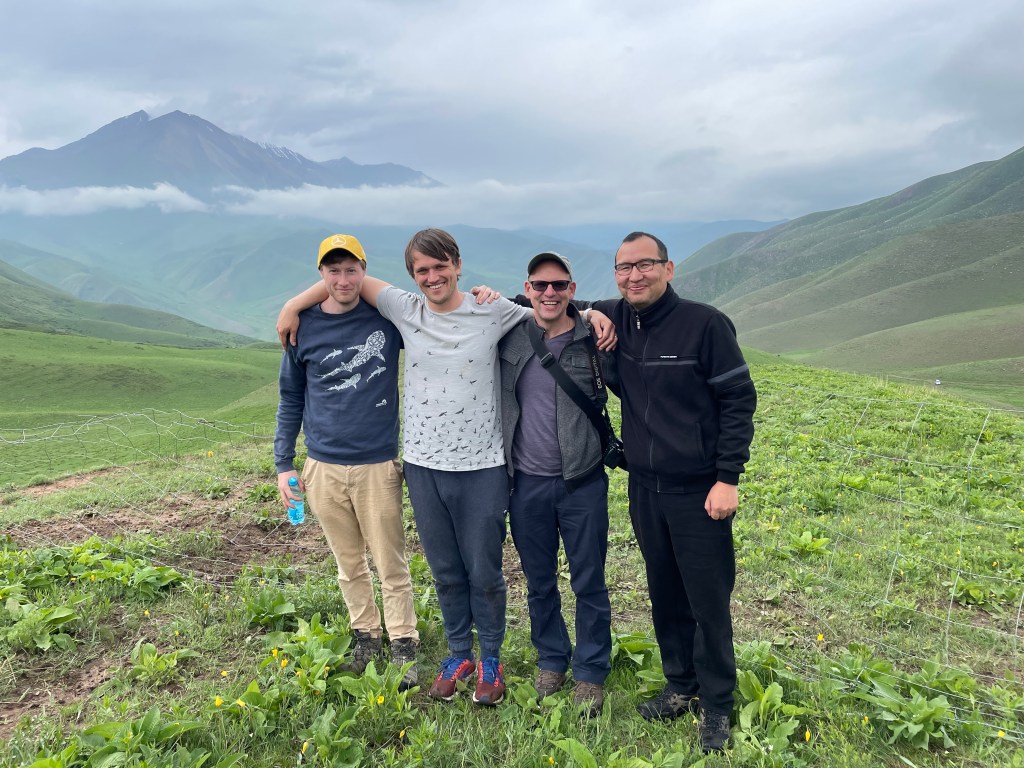
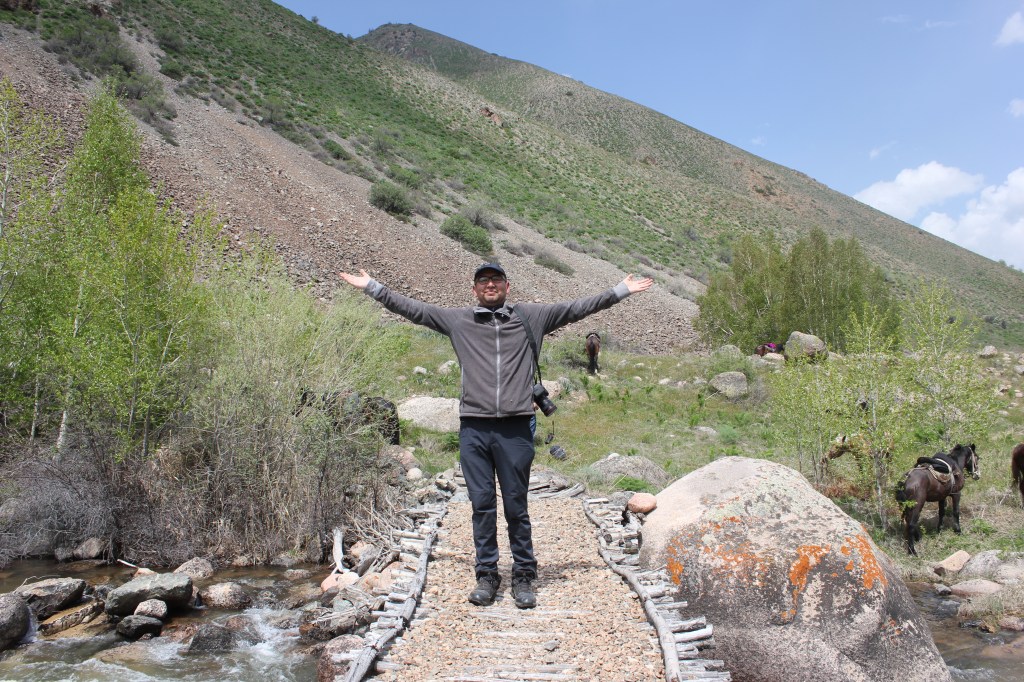
This project would not exist without Professor Kaiyrkul Shalpykov of the National Academy of Sciences of the Kyrgyz Republic, who helped instigate the whole endeavour in its earliest days. When I first arrived in Kyrgyzstan, I barely knew the country and knew even less about its wild tulips — Kaiyrkul welcomed me in without hesitation, showed me his home, and showed me his country. Some of my favourite memories are from those early days chasing wild tulips through the Kyrgyz mountains with him. That’s genuinely where I found my passion for this work, and my community within it. Sadly, Professor Shalpykov passed away a few years ago and didn’t get to see this paper published. I hope it stands, in some small way, as a tribute to him.
I also want to thank Professor Sam Brockington, curator of Cambridge University Botanic Garden and my PhD supervisor, who backed this project from its first iteration in October 2018 through to publication eight years later. Anyone who’s done a PhD knows it’s a rollercoaster, and Sam was the steady hand throughout mine — kind with his guidance, and always ready with direction on the days I felt a little lost. Tulips were not necessarily his thing, but he engaged with the topic, and I learned an enormous amount from him about research, botanic gardens and publishing. He never stopped supporting this project, or me, even after I’d finished my doctorate.
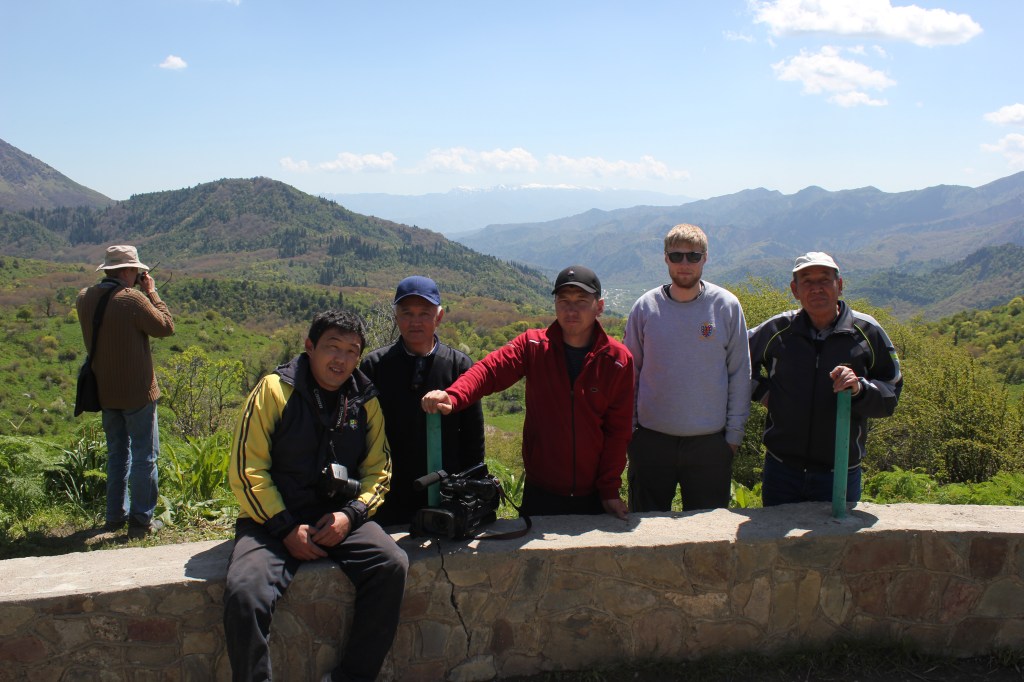
And this has always been an international effort. Our warmest thanks go to Professor Komiljon Tojibaev, Dr Natalya Beshko, Dr Davron Dekhkonov, Professor Georgy Lazkov, Dr Mariyo Boboev, Dr. Maarten Christenhusz, Dr Nathanael Walker-Hale, Tom Freeth, and Professor Avni Hajdari and everyone else, whose expertise, fieldwork and support across the project were essential to building a dataset this comprehensive — you simply cannot sample 86% of a plant group this widely distributed without genuine, trusting collaboration across borders.
The Fauna & Flora family deserves a paragraph of its own. David Gill and Vicky Wilkins in the Cambridge head office, the Kyrgyz team including Dr Jarkyn Samanchina and Akylai Kabaeva, and the Tajik team including Ubayd Gulamadshoev, were all crucial to my PhD fieldwork — logistics, permits, local knowledge, and the kind of on-the-ground support that turns an ambitious plan into an actual expedition.
And then there’s Ormon Sultangaziev, who gets a mention all of his own. Ormon joined me as a translator on my very first tulip expeditions back in 2019 — and somewhere between then and now he went from translator, to Fauna & Flora colleague supporting the project, to co-founder with me of the IUCN SSC Wild Tulip Specialist Group. He’s been there for basically every chapter of this story, and he’s a lifelong friend now, not just a collaborator. This paper, and this Specialist Group, simply wouldn’t exist without him.
Eight Years On
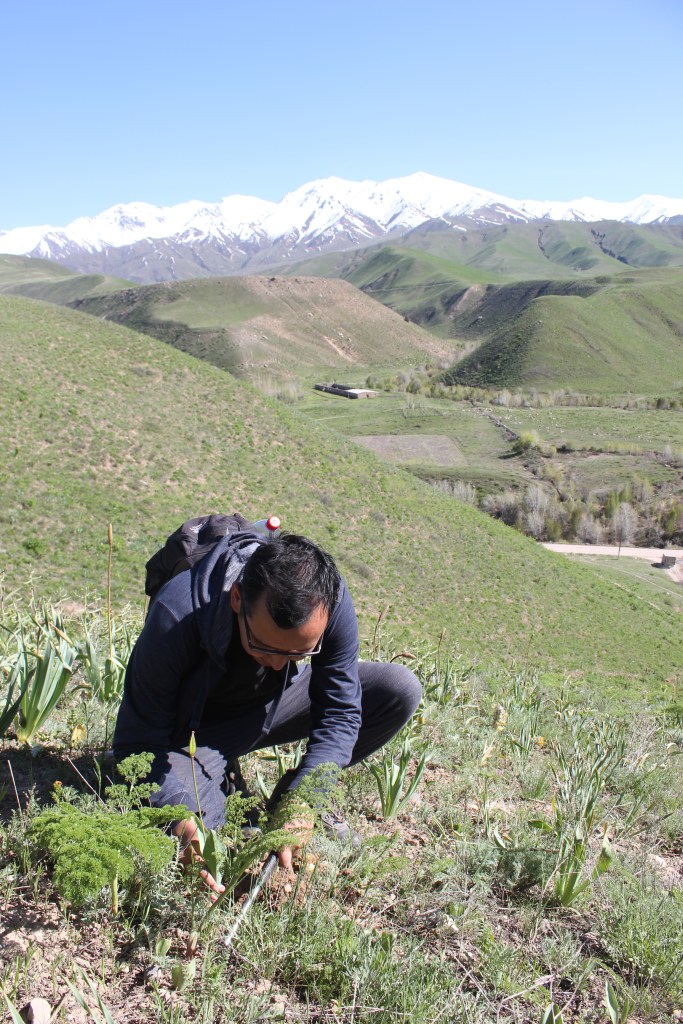
It’s strange to look back at October 2018 from here. I didn’t know, sitting down to start a PhD, that it would take eight years, collaboration across over seven countries, and 254 specimens to even begin to answer the question I started with. I’m not sure any of us ever fully know what we’re signing up for at the start of these things.
What I do know is that this paper is a better piece of science for having been genuinely drawn from so many authentic fieldwork, research and collaborative moments — for having been shared across so many hands and minds, each bringing a new perspective to the work. Tulips have always dispersed slowly across landscapes, step by step rather than in great leaps. Looking back, this project got there much the same way. Tenacity, resilience, and friendship were what made this project work. Although this paper is now published, it is only one step in an ongoing journey to better protect wild tulips across their natural landscapes. The Specialist Group continues to work to better understand wild tulip diversity so we can protect it for future generations.
The paper is published this week in the American Journal of Botany: doi.org/10.1002/ajb2.70232