As we, as a global community, continue to fight against Covid-19, I thought it might provide some comfort to know that out there, tulips have once again sprouted and flowered. Moreover, that our work to protect these elegant plants is continuing in earnest. So here I am writing a short blog to update you all with our progress, providing a tulip perspective on viruses, and hoping to make you smile in these difficult times.
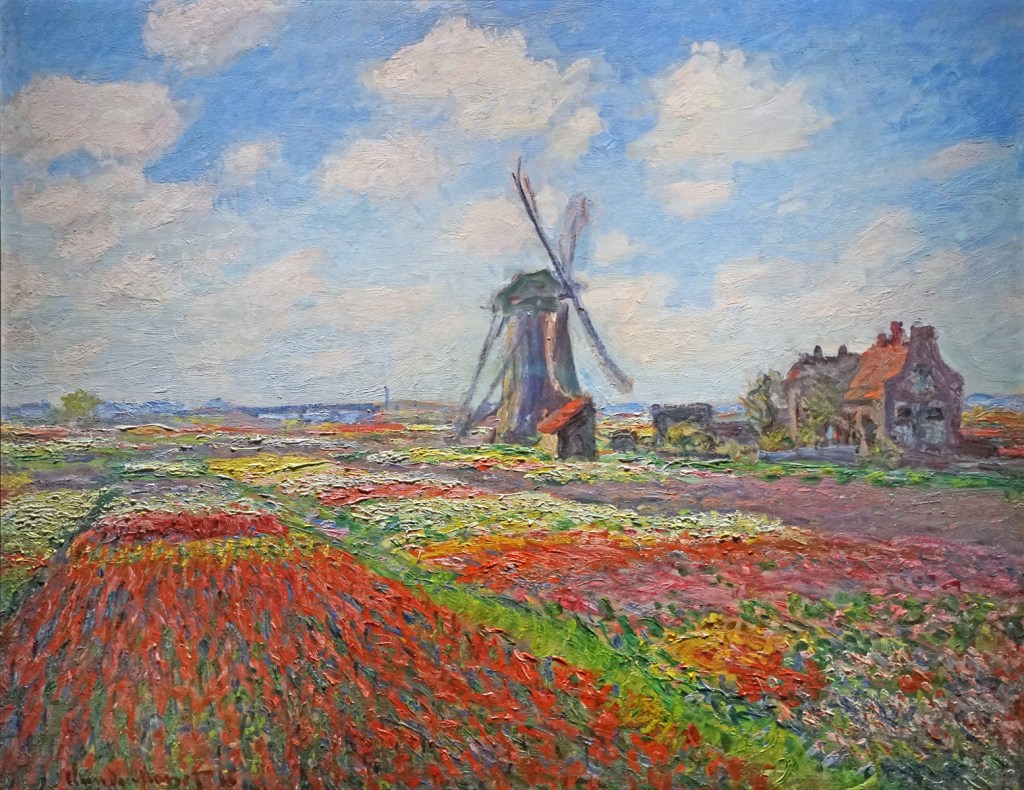
Viral infections in plants are common, especially in horticulture and agriculture where many genetically similar plants are often grown together. This has historically affected crop productivity and continues to do so worldwide today. Viruses are notoriously difficult to counter-act due to their rapid rates of evolution, which allow them to adapt to treatments and become resistant relatively quickly. Furthermore, they are often exceptionally harmful or even deadly to their host. Yet, surprisingly in tulips a viral infection was not always seen as a bad thing.
In the 17th century, a virus known as “tulip breaking virus” was a frequent visitor to gardens across Europe, especially in the Netherlands, where trade in tulips was blossoming. Although at the time knowledge of viruses was nonexistent, the effect of this specific virus caused a stir in the hearts and wallets of tulip fanatics. I am referring to the incredible “breaking tulips” that carried much value during the period also known as “tulip mania”. The virus caused intricate patterns to form on the tulip’s flower with streaks, stripes, and flame like markings breaking the monotony of a single colour.
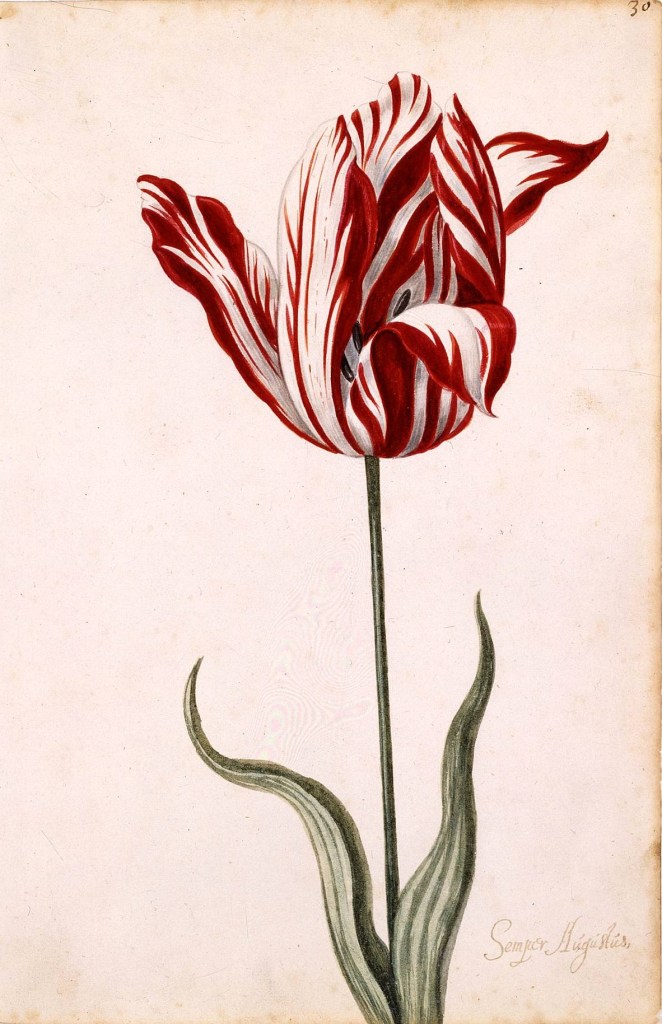
To break the monotony though would cost you a fortune, with some infected specimens selling for around £5 million in today’s money. This is probably one of, if not the only, example of when a viral infection has increased the value of a plant. Today, we recognise that breaking flowers on a tulip can be a symptom of an infection and although they often make the flower more exciting, they do weaken the plant in general. So now we ensure our tulip communities are carefully monitored for signs of this once admired viral symptom. Generally, the streaked and striped tulips you see today are the results of breeding efforts to replicate the historically patterned tulips and are therefore not infected. Yet what is probably most surprising is that wild tulips appear not to be susceptible to this virus. It is certainly something we have not seen in any wild populations and it is not reported in any of the literature! These wild species always have a few tricks up their sleeve…
This leads me on to briefly update you with our work this Spring. Unfortunately, this year, cancellation of fieldwork left the Cambridge team stuck in home office. Nonetheless this time was not wasted as we have been writing up an array of different methods, results, and proposals. So, although we have not seen any wild tulips in the field, we have been able to explore and formalise the results we already have, something that is often left to the last minute in a project. We are therefore ahead of the game on this front and well-prepared for a busy autumn period!

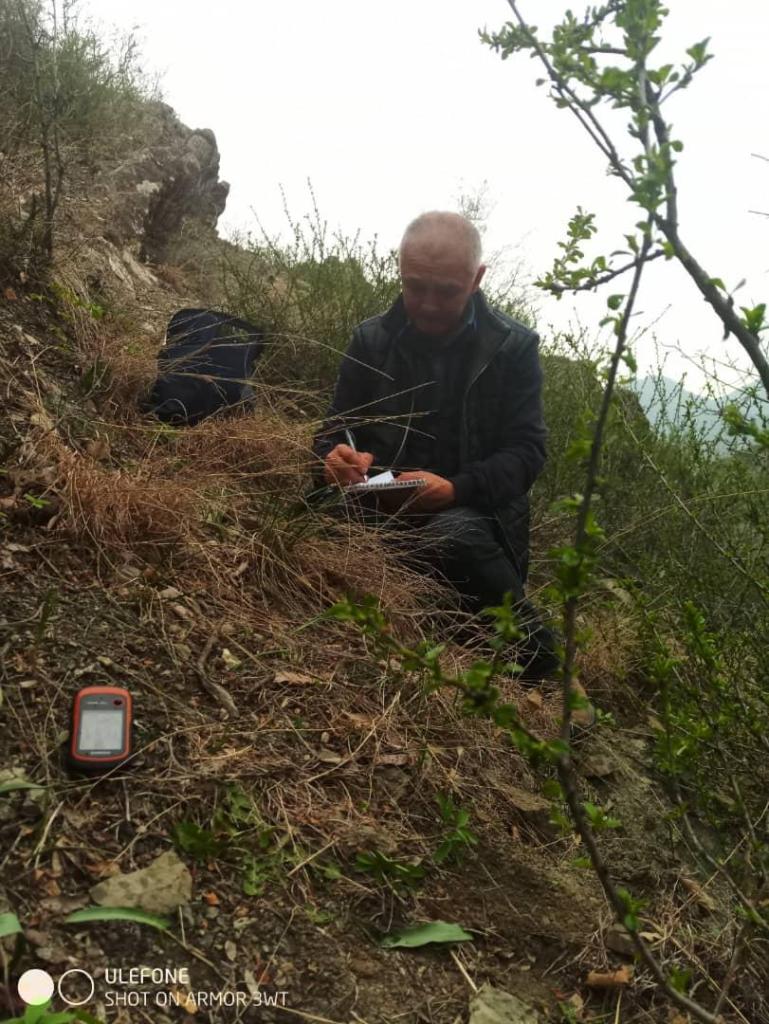
Whilst the U.K. team has been stuck in lockdown our partners all over the world have been working hard in the great outdoors. This year we have been lucky enough to establish a new collaboration with Kulob Botanical Garden in southern Tajikistan. They have undertaken three exciting expeditions into the mountains of this country looking for many endemic Tajik species. Lots of samples have been secured and GPS data recorded and we, in the U.K., are very much looking forward to seeing the efforts of this work soon in the lab. At the same time, the Kyrgyz team have also been venturing to some new areas in search of species not collected in last year’s efforts. They have found many of these elusive species often in unexpected areas! This will provide another wonderful array of samples for the project. Overall, we have more samples coming in from Kyrgyzstan and Tajikistan representing some of the most magnificent, delicate, and rare species in the world.
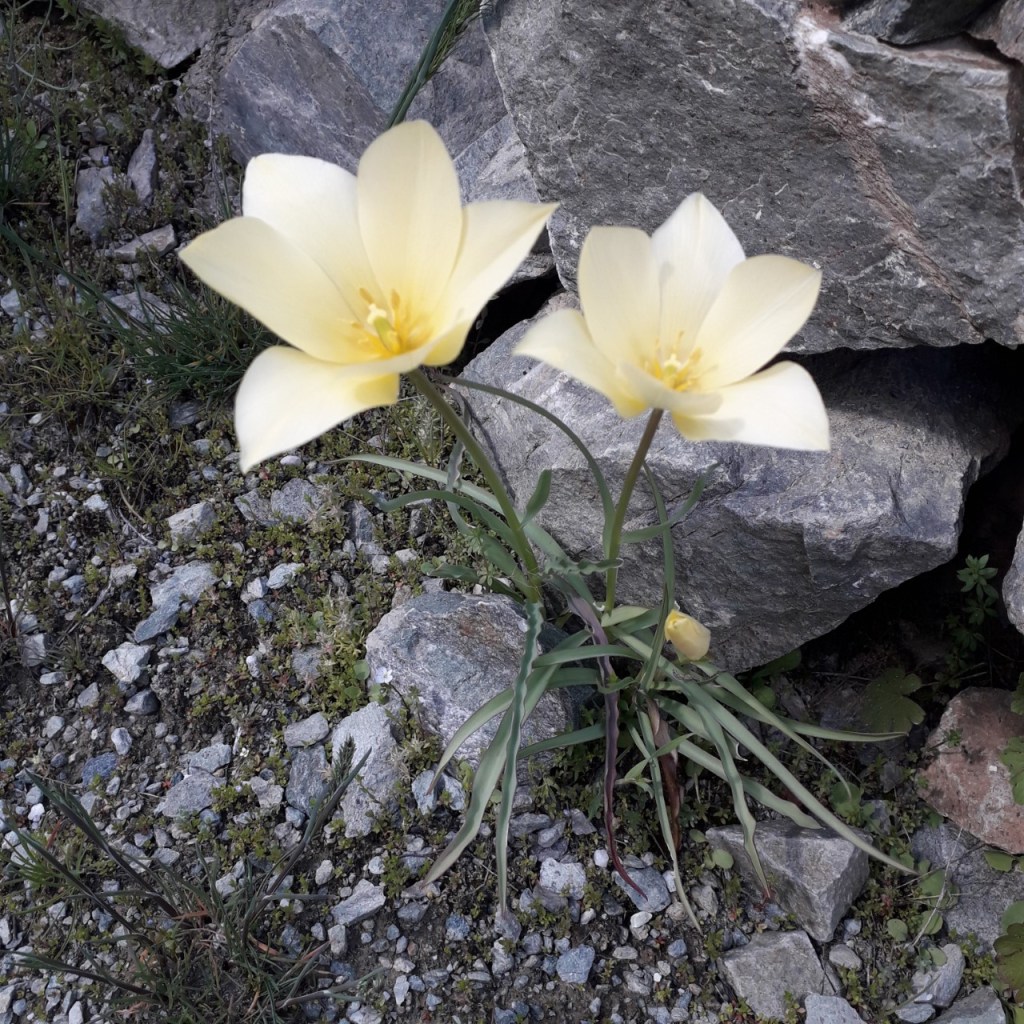
This year we have also been exploring collections closer to home. Botanic gardens and academic institutions can offer incredible resources that are often overlooked. This year we have had kind help from the Royal Botanic Gardens Edinburgh and Kew, as well as support from Dr Ben Zonneveld, a Dutch scientist and a leading expert on tulips. With the samples obtained from these sources we have now nearly doubled the number we had last year. Although there is still a long way to go, we have made great progress. It is amazing to see the global tulip community beginning to come together for this project.
For now, that is it. But we have collaborations with Kazakhstan and Uzbekistan in the pipeline, a potential conference to organise, and many samples to now process in the lab. We may be dreaming of the outside world, but don’t forget you can achieve great things at home! Take this time to reflect, think, and plan, but most of all keep safe.
Brett

 IUCN SSC Wild Tulip Specialist Group
Thanks for Keeping up our spirits! Keep up this great work🌷
LikeLiked by 1 person
In times like this it a good thing to find comfort in watching nature very closely!
Please get in your studies and spread your findings to as many people as possible.
LikeLiked by 1 person