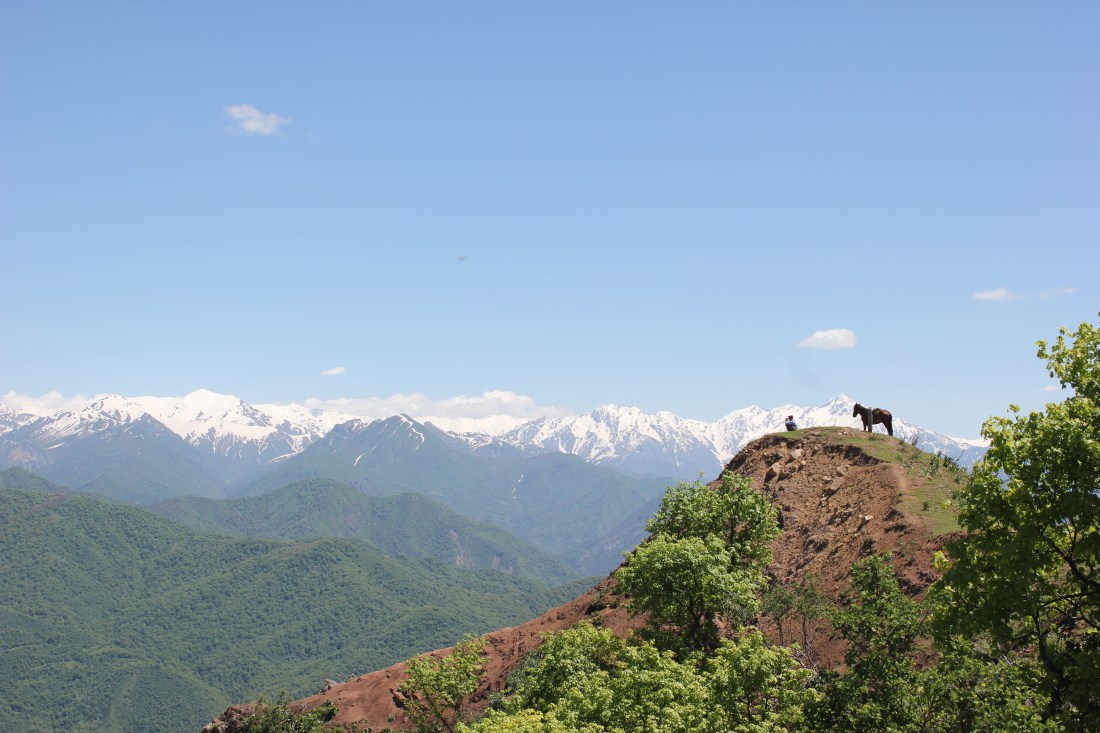
Our project to conserve wild tulips begins now, as we head in to the cold depths of another winter. There is much to do before the currently, snuggly tucked away bulbs sprout in the early months of next year. In a range of offices across the U.K. and Kyrgyzstan our team members are scurrying around to plan an initial fieldwork expedition for the spring of 2019 to search for known and new species. A comprehensive species list is being constructed, funding is being carefully spent, and many cups of peppermint tea are being drunk. In the botanic gardens the bulbs are beginning to be potted and watered with great care, and species names are being debated feverishly.
Many hands are needed to keep the project running and it is only with this unique and enthusiastic team and a lot of hard work that this venture is possible. The office lights are on late and the relentless tap of computer keys can be heard deep into the night at an array of desks in:
- The University of Cambridge, Cambridge
- Cambridge University Botanic Gardens, Cambridge
- Fauna and Flora International, Cambridge and Bishkek
- The National Academy of Sciences, Bishkek
- The Royal Botanic Gardens, Kew, London
Individuals from each of these places have committed to working on this project. By working together as one we are much stronger; only with the expertise and experience of all these people can such a project be possible and therefore successful. Together we are focusing our resources and knowledge to develop a plan to save this unique and incredible set of species in the extraordinary part of the world that is Central Asia.
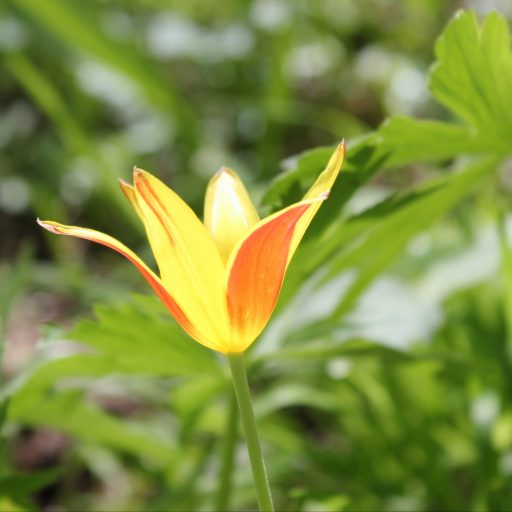
The tulip itself, is a globally recognised flower with over 3000 cultivated varieties. These cultivated varieties are not recorded as species as they are of human production. The wild species of tulips are classified under the genus Tulipa which represents their evolutionary past. There are only around 75 wild species, many of which are threatened by habitat loss, overgrazing, over-collecting, and climate change. We are focusing on the tulips Central Asian range, and primarily Kyrgyzstan because this place harbours the greatest diversity of tulip species in the world, and is thought to be the origin of this amazing plant. But why should we conserve something so common in horticulture you may ask?
Well… wild tulips provide an important store of genetic diversity which can be used for horticultural breeding, especially with regards to disease resistance. They are also essential in nutrient cycles, water cycle regulation, and preventing soil erosion. Moreover due to their fragile nature they act as indicators to their surrounding ecosystems health helping us determine the state of the environment in Kyrgyzstan and its neighbouring countries. For our team, it is the beauty of the plant that makes us work these long hours and hopefully you understand this motivation, but there are clear tangible benefits also. These benefits highlight the need to conserve these species so they can continue to be an important part of the plant community of Central Asia.
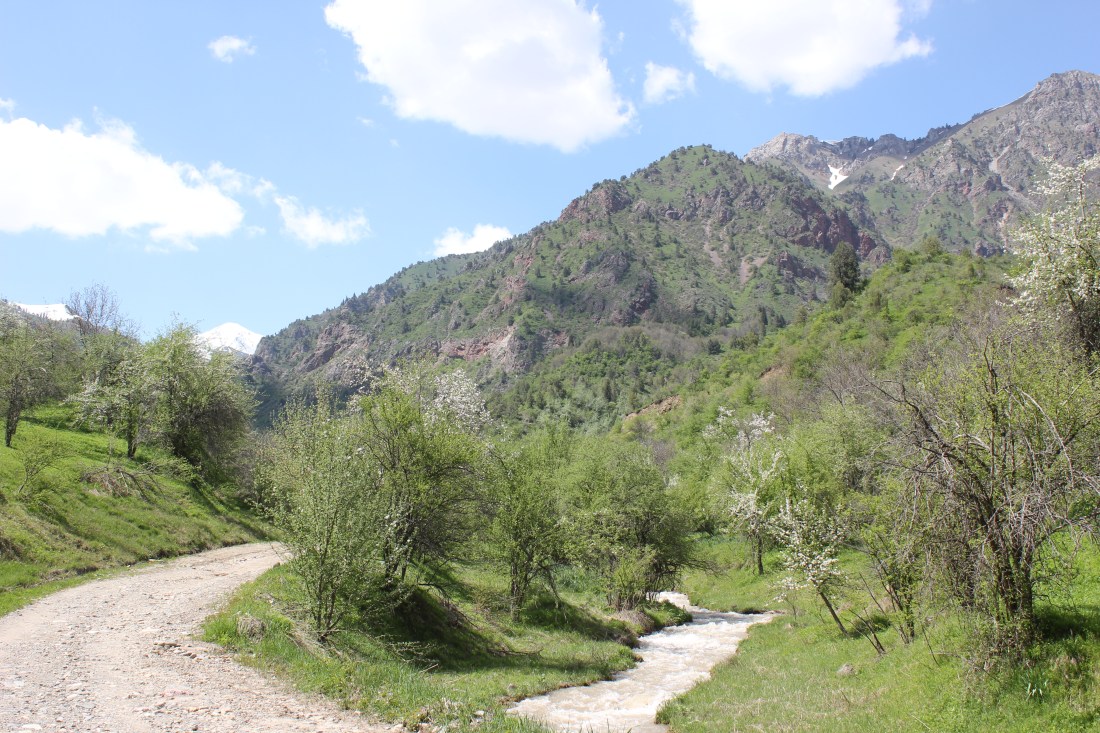
Our project aims to collect data to inform conservation activities in Central Asia to ensure tulip diversity can be enjoyed by future generations. Our work will initially focus on the country of Kyrgyzstan, but in later years will be broadened to neighbouring countries such as Uzbekistan and Kazakhstan. We will work with scientists, conservationists, local communities, and the wider public to educate, inspire, and implement action to achieve our goal. We want to welcome you onboard for the journey, as we want you to be a part of our project and make it your journey as well. So come along as we delve into the mysterious steppe land and mountains of Central Asia in search of long forgotten tulip species.
A tulip doesn’t strive to impress anyone. It doesn’t struggle to be different than a rose. It doesn’t have to. It is different. And there’s room in the garden for every flower – Marianne Williamson

 IUCN SSC Wild Tulip Specialist Group
Really happy to see this setting off! 🙂
Please, share pictures of your bulbs when they start germinating.
LikeLike
Great work !
LikeLike