The lengthy time between blogs has not been because there hasn’t been anything to write, but because so much has been going on. I have now found the time to sit down and type up this year’s story, and so it is with great excitement that I can present the newest blog that will bring you up to date with all things “Project Tulip”. The collaboration is made up of a collection of organisations across both the U.K. and Kyrgyzstan. To make things easier to read I have separated the blog into sections under the headings of each organisation. Within this I have detailed their work throughout this summer and autumn.
Cambridge University Botanic Gardens, Cambridge
Since mid-June, post expedition work has been underway. This has included processing leaf samples collected in the field, mapping and modelling populations using new location data, and analysing the interviews we recorded with Kyrgyz experts. In some ways you could view this as the number crunching, chemical mixing, hardcore science part of the project, which will be crucial for directing on-the-ground conservation activities. This is true to some extent, but I have also been getting to grips with the horticultural history of this unique plant. This has led me to the ‘forbidden’ section of the library, where I have scoured dusty books, detailing tulips found many moons ago and in these pages I have found myself travelling back in time into the narrative of the silk road. The journey of the tulip across Eurasia is truly a remarkable story! I have even been playing a board game called “Tulip Bubble” where you act as a tulip trader through the incredible economic bubble that occurred between 1634-1637. Research isn’t all about scientific papers but getting to know the subject in any way you can!
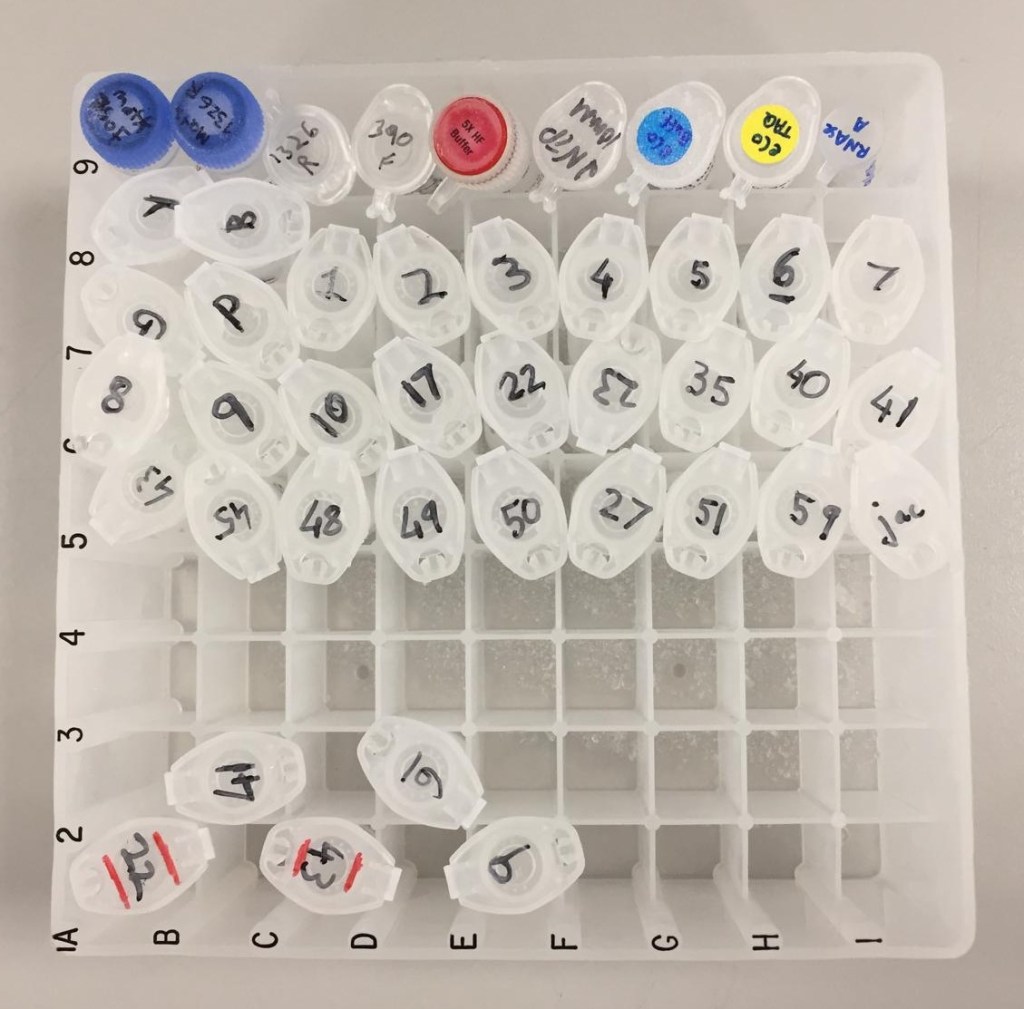
But back to the scientific element of this project… Each leaf that was carefully handpicked in the mountains, steppe, and deserts of Kyrgyzstan in the spring was packaged meticulously into a brown envelope, with silica gel to preserve the leaf, and then less carefully loaded onto a Turkish Airlines flight, where they were transported from their native home to the foreign corridors and laboratories of the University of Cambridge. Here, with the help of some cool science and a lot of patience, DNA, the code for life, was extracted and stored in small tubes in the freezer. These tubes now await the next leg of their journey to the sequencing facility, where each individual tulip’s unique sequence of code will be revealed. From the first expedition we have prepared over 30 individual specimens for sequencing, which represent around 20 different species. This will greatly enhance our understanding of tulip diversity in Kyrgyzstan and begin to shine light on the evolution of this beautiful plant.
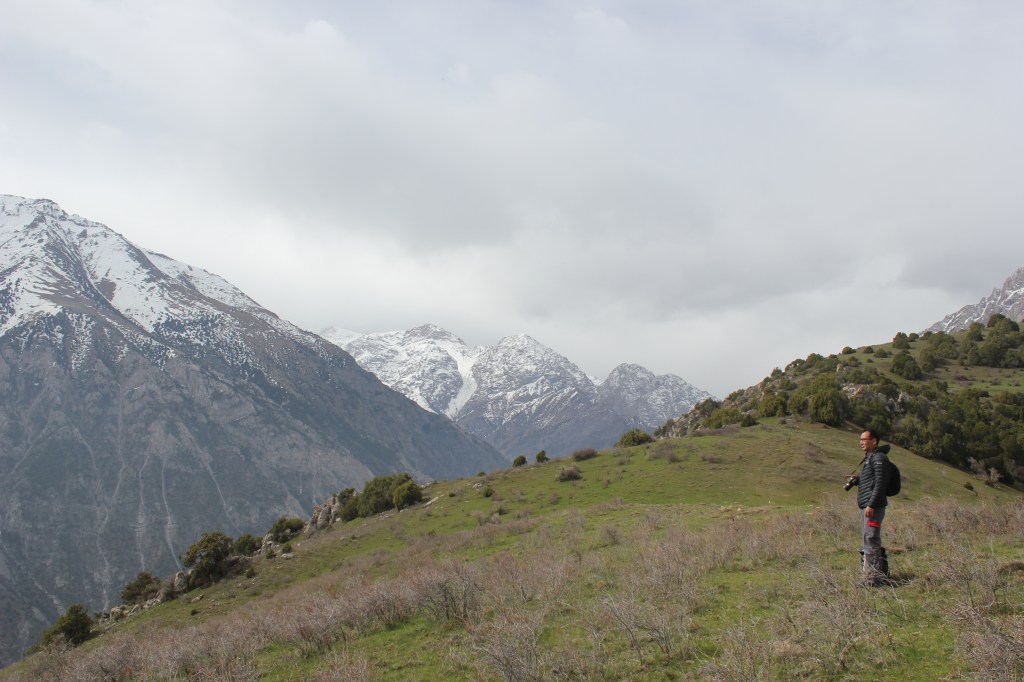
Furthermore, during the expedition, location data was collected for wild tulip populations. In conservation, we are often playing a giant game of hide and seek between the scientist and their specimen of interest and it is this location data, which can be crucial in finding populations again for monitoring and sampling as well as understanding, where other populations may be concealed. With our new location data, we have been updating species distribution maps as well as undertaking modelling to assess the potential range of these species with a view to understanding their vulnerability to extinction. The next expedition into the wilds of Central Asia is now being organised, which will aim to locate an array of species that haven’t been sampled in the wild for many decades, as well as search for new species that are yet to be described. The countdown in the next game of hide and seek has begun!
Whilst carrying out expeditions to locate tulips in the spring months of 2019, we also completed interviews with a range of Kyrgyz botanical experts who provided crucial information on the threats and uses of tulips. This array of information has provided us with a much broader understanding of Central Asian tulip diversity than we had at the start of the project. We now know that livestock grazing could be greatly harming this fragile plant, and that more local issues such as mining, opportunistic collection, and urbanisation could also be damaging tulip numbers. Interestingly, tulips were recognised by the majority of local people and were valued as a critical part of both the environment and culture of Kyrgyzstan. In the coming months we will continue to build relationships with rural communities so that we can work together to successfully protect the plants that they love to see grow in their natural back garden.
Fauna and Flora International, U.K. and Kyrgyzstan
FFI are a non-governmental organisation that operates out of a head office in Cambridge, but also crucially has offices around the world where regional experts head conservation projects. One such office is located in an apartment in the capital of Kyrgyzstan, Bishkek. Behind the doors of this seemingly mundane residential flat great things are happening that will protect the nature of this incredible country. This is the operation headquarters for Central Asian tulip conservation. Since late Spring, when expeditions were occurring, work has focused on understanding the cultural value of tulips to local communities and expanding botanic garden collections.
In the latter weeks of June, the FFI Kyrgyz team, in collaboration with senior researchers from the National Academy of Sciences in Kyrgyzstan, set out to explore the cultural value of the tulip. Organising and running a series of tulip awareness seminars and training sessions across a range of villages, the team brought to the attention of a range of Kyrgyz people the incredible variety of tulip species growing in their local areas. Although the hardcore science sounds more technical and difficult, it can be extremely complicated and complex to engage and inform residents of the importance of biodiversity. The activities mostly focused on engaging young children which, in many ways is the most important task, as it is these young children who will grow up and determine the future of the nature around them. For our team we feel we must protect tulips for the next generation to enjoy as we have!
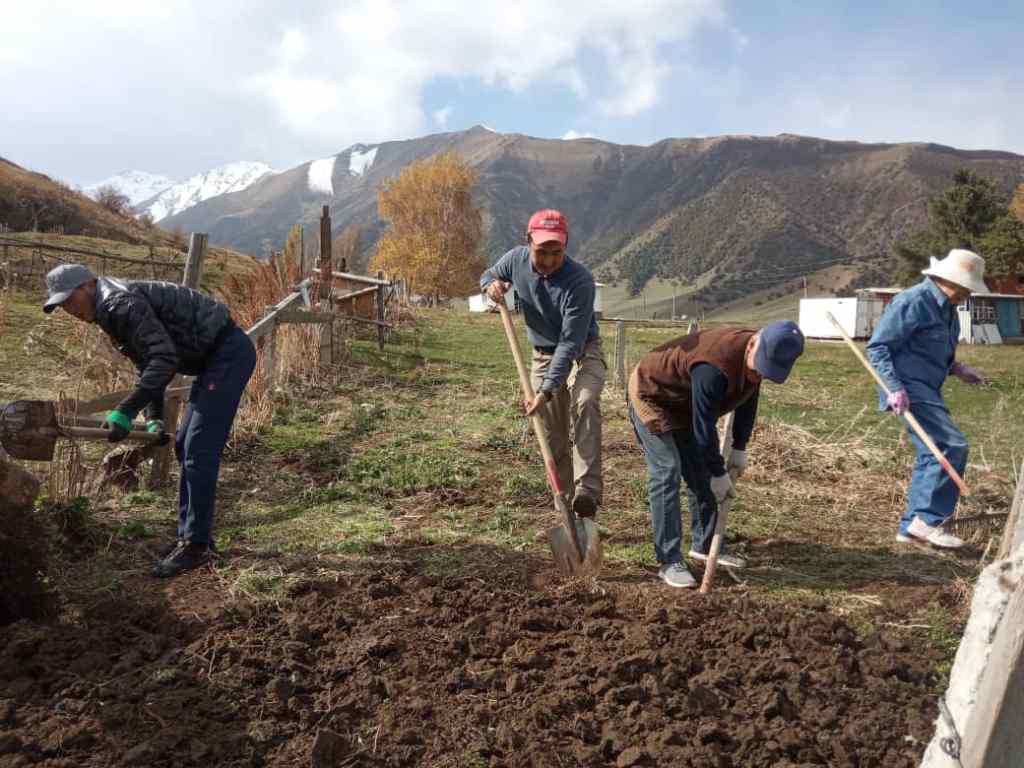
Further to this work, the team have also been supporting the growing of wild collected tulips in the Bishkek Botanical Garden. This botanic garden will be an essential haven for tulip diversity, where plants can be grown in relative safety before being planted into wild populations to support population numbers. The materials provided by FFI have contributed to the planting of nearly 500 tulip bulbs! Botanic gardens are sometimes treated as grand horticultural paradises, but in reality, they form an important resource for conserving wild species under threat.
Bioresurs, Kyrgyzstan
Bioresurs is a non-governmental conservation organisation headed by academics from the National Academy of Sciences in Bishkek. Their academic knowledge of Kyrgyz botany is an exceptionally useful tool in guiding efforts to protect species across this nation. After guiding the spring expeditions this team focused on collecting, cleaning, and growing wild tulip bulbs and seeds. A difficult task, but with such a motivated group and the continuous appetite for adventure they battled on through the summer and autumn months of the year securing essential stocks of wild tulips.
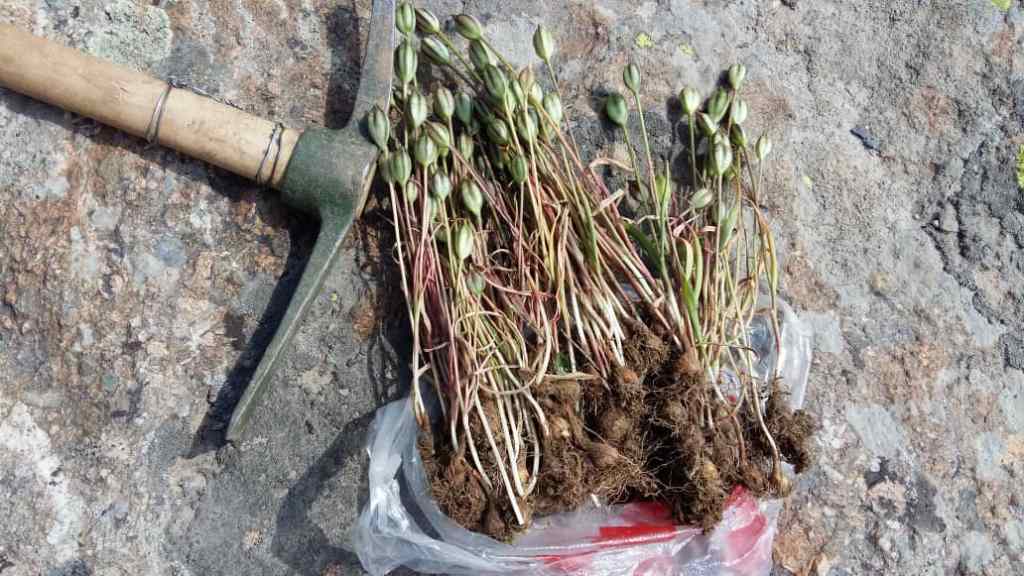
These bulbs have now been planted in four different sites across the country where they will be grown and propagated before some will be planted back into the wild. In total they have managed to secure over 1000 bulbs and a whole range of seed material. Some of which will be grown up in the U.K. to secure individuals of threatened species outside of their native range where they can remain safely cared for. Overall this part of the project represents the largest collection of wild tulips in recent decades and will be important in supporting future efforts to expand populations across their natural distribution. Bioresurs huge effort will hopefully be rewarded by fields of flowers in the coming spring, but for now we are happy that these precious bulbs are tucked up in their soil beds!
AFLUK, Kyrgyzstan
AFLUK helps set pastureland policies for Kyrgyzstan. Understanding how to adapt management plans to protect native species is an important part of this tulip project. The rural communities of Kyrgyzstan rely heavily on livestock not only as a food source, but also as an investment and insurance for tougher times. It is clear that the solution cannot be to prevent locals using these pastureland areas! AFLUK are working closely with a range of rural communities to understand their pasture needs and current use with the view to adapting management policies to both support livestock grazing as well as ensure wild tulips are not munched or stomped.
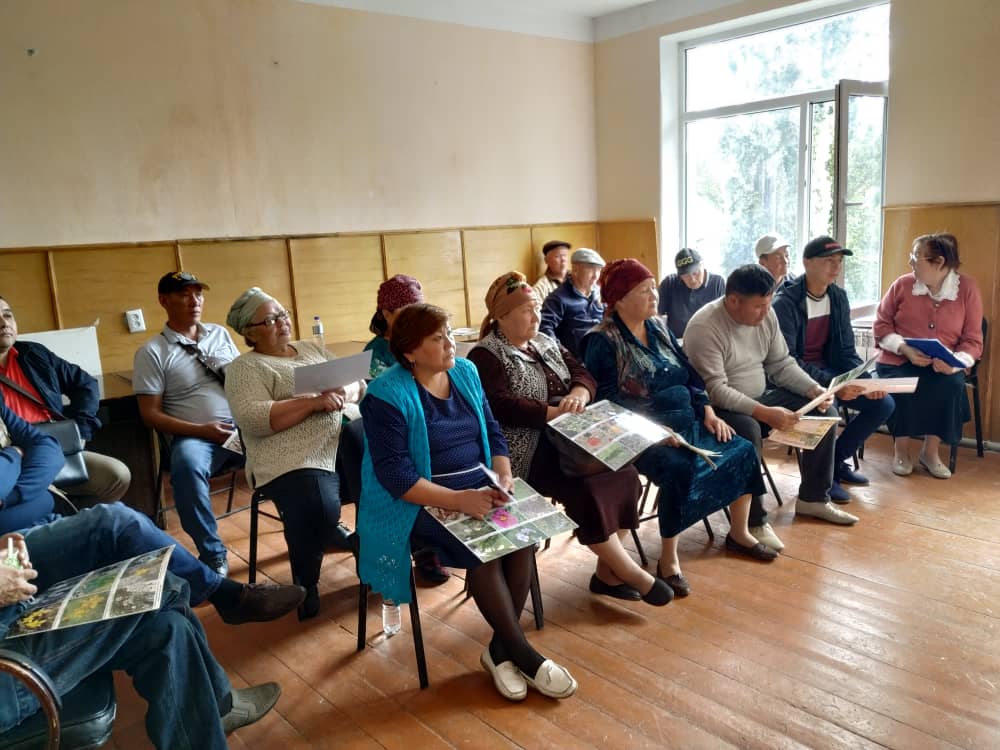
This year they have been undertaking surveys within communities to assess livestock numbers, researching the current land area under regional policies, and finding previously recorded livestock numbers. Alongside this they have been assessing pastureland management budgets and have been carrying out a review of current practice and legislation, which will be used by the other partners in this collaboration. They are beginning to piece together a more comprehensive understanding of management across wild tulip habitats than has ever been established before.
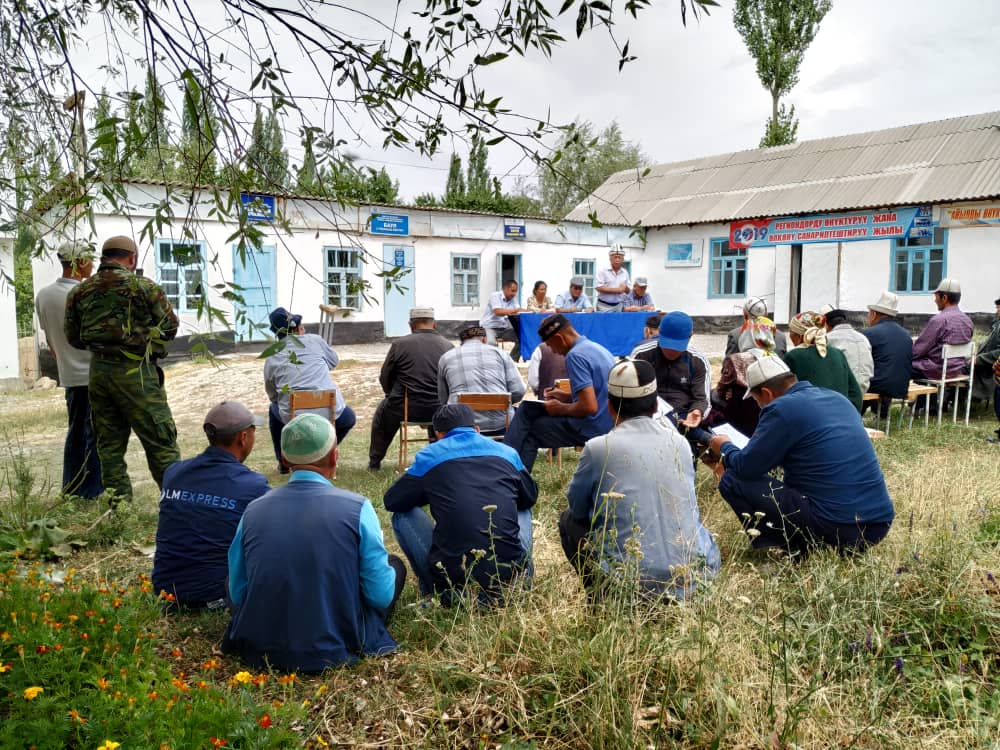
Importantly, AFLUK have also presented the work to government representatives and local pasture users in key tulip habitat areas where work will be carried out. With the support of these communities we can really begin to change the future landscape for tulips to thrive. AFLUK represent the policy side of this project and without their important socio-economic work the projects long-term success would be severely hampered. Conservation solutions must be both nature and people driven. Without one of these elements’ projects will usually not remain effective in the long-term.
Together
We are of course much stronger as a team pulling together different aspects of the work and as you can see, we have been very busy! As we come up to Christmas, we can reflect on a successful first year of the project. In the lab, in the field, and in community settings we are beginning to make a difference protecting current wild populations whilst planning how to reduce threats and safeguard wild tulips for the future. In the new year a new set of expeditions will be planned, new training sessions undertaken, and policy meetings organised. A whole range of new adventures await, however for now, much like the tulip we must keep our head down, push through the cold winter months ready for the excitement that spring holds.
Merry Christmas one and all! See you in the new year!


 IUCN SSC Wild Tulip Specialist Group